
Newsletter: Significance in Serbia & Resurrection Reality! April 2026
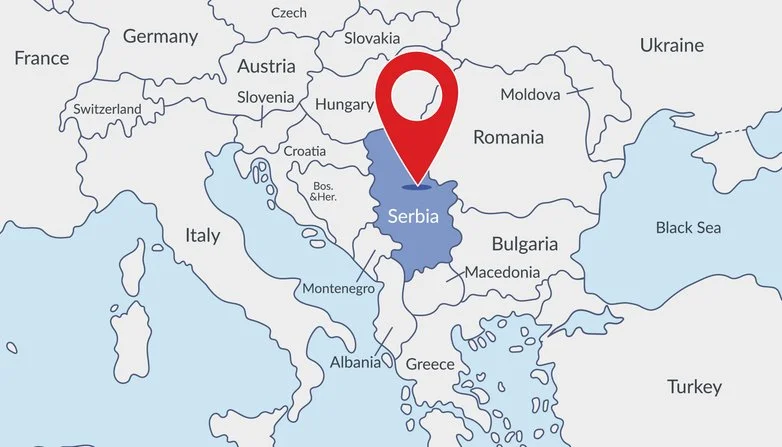
April the 8th is an important date for the Romani people; it's the International Romani Day. This is a day for the Roma people to celebrate Romani culture and raise awareness of the issues facing Romani people around the world. As significant as this is for the Romani people, something even more significant is due to happen in Serbia on that day for three Roma language groups; the dedication of their newly translated New Testaments! For the first time in history the Arli, Gurbet and Chergash Roma languages will have a complete New Testament, and preparations are under way for the big launch! With the teams only starting their translation work in January 2022, this has been a remarkable accomplishment, and we praise God for the teams who have laboured faithfully to translate the Word of God into their own languages. We'll report back on this launch in next month's edition!
Who are the Roma?
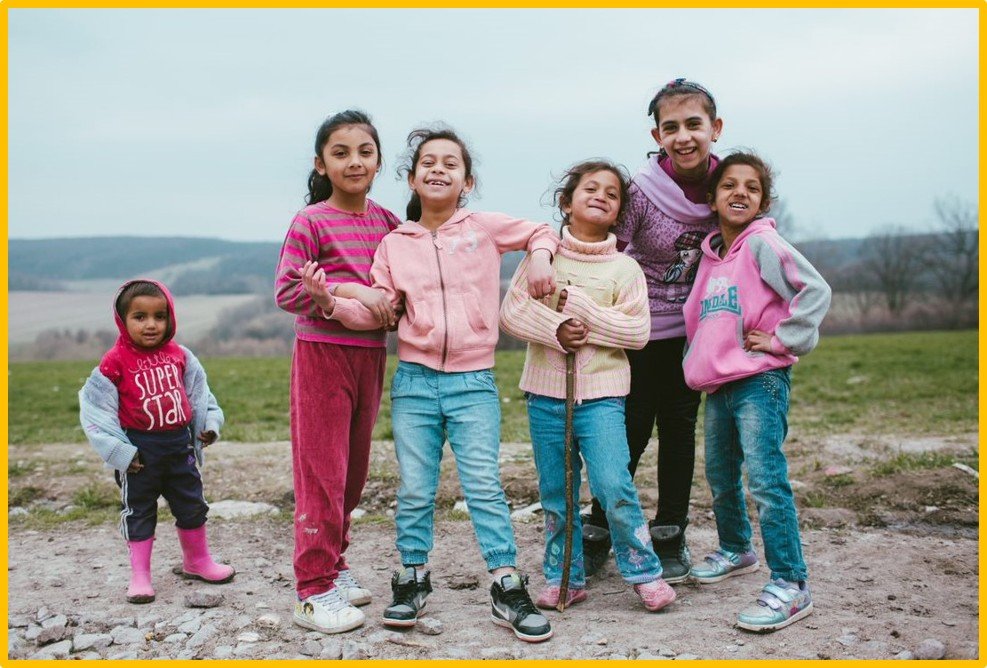
Originally from India, the Romani people don’t have a specific ‘homeland’ to call their own, but are scattered around the world. It is estimated that there are 10 million Roma people living in Europe, with significant populations in the Balkans, Ukraine, and some central European countries. The Roma are considered to be Europe’s oldest and largest minority people group, but down through the centuries they’ve been persecuted and even expelled from various countries, including England in the 16th century! During the 2nd World War Hitler tried to destroy the Roma, with hundreds of thousands murdered in concentration camps. Even today, they are often marginalised in society, and as a result they’re often poor and impoverished. It’s thought that 80% of the European Roma live below the poverty line. Due to their widespread distribution the Roma don’t have one specific language, but have many different languages and dialects, possibly as many as 40.
There are thought to be 315 different languages in Europe. Only 75 of those have a full Bible! 195 of them only have small portions of Scripture, or none at all!
The Red Egg of Serbia!
One of the pagan Easter traditions in Serbia is to decorate eggs, with the first one always painted red. That egg, called thečuvarkuća, is kept in the home for the entire year until the next Easter comes along. The superstitious belief associated with this practise is that the egg protects the home from all harm;čuvarmeans guard, andkućameans home. According to many sources, the Christian custom of Easter eggs started among the early Christians of Mesopotamia, who stained eggs with red colouring in memory of the blood of Christ, shed at His crucifixion.
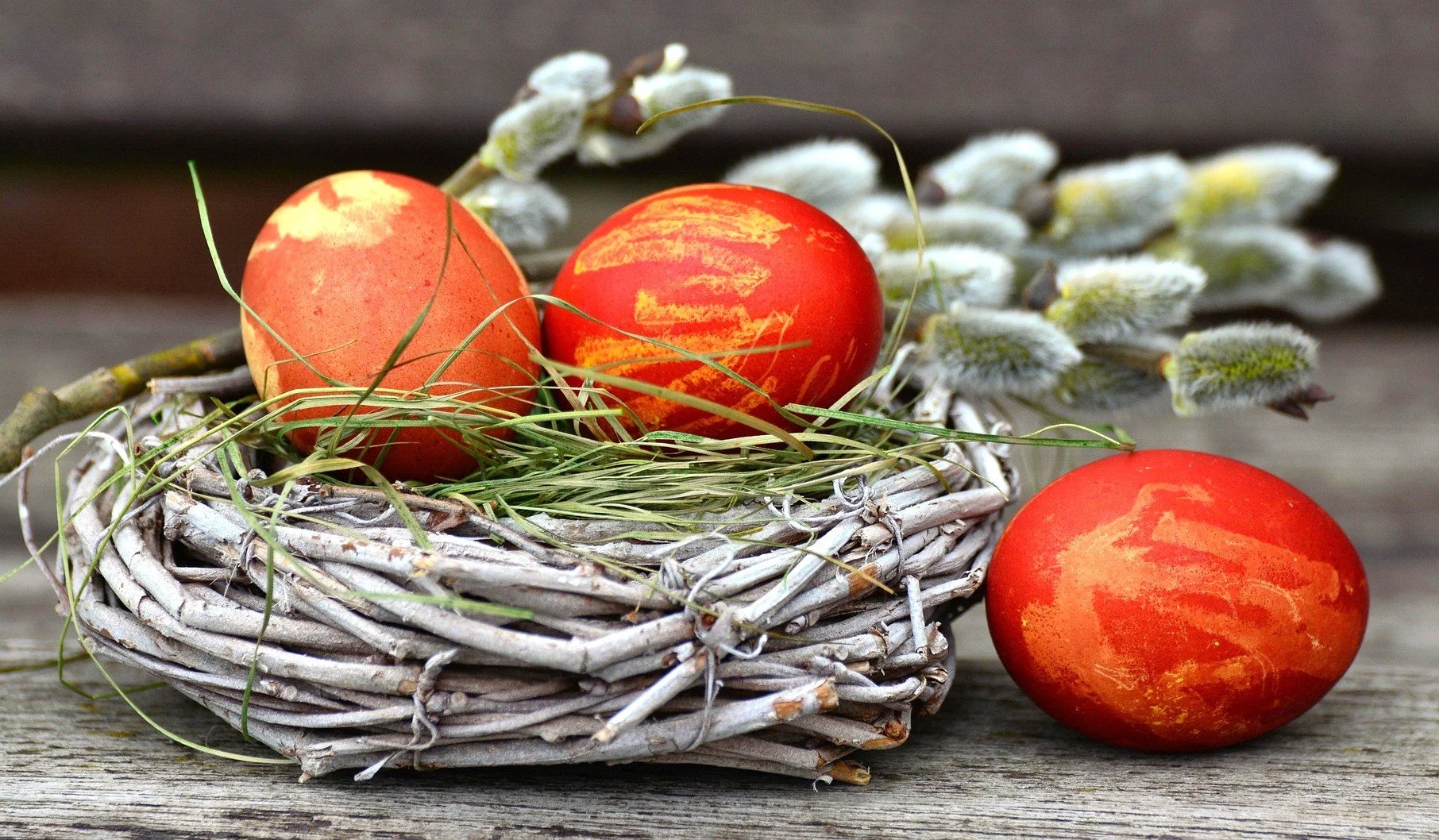
The importance of God's Word in a person's heart language: As the Romani Chergash New Testament was being checked within a Serbian community, two women found themselves challenged by a story in Acts 19, which refers to the Ephesians being confronted about their superstitious pagan beliefs. Acts 19:24 says that “a silversmith named Demetrius made silver shrines of Artemis”. The goddess Artemis (or Diana) was associated with fertility and was reproduced in miniature statue-form for people to put on their mantle pieces as a good luck charm. As the two Roma women read this passage in their heart language, the words came alive, and they were convicted to give up their pagan practice of čuvarkuća in their homes. They realised, as Christians, that it was wrong to put their trust in lifeless amulets (in this case decorated eggs), but that they should put their faith fully in Christ. Praise God for the life-changing impact of His Word, and for the fact that the Bible enables people to grow and mature in their faith.
"Christmas is important, but Easter is decisive".
Jesus is alive, and that makes a world of difference!

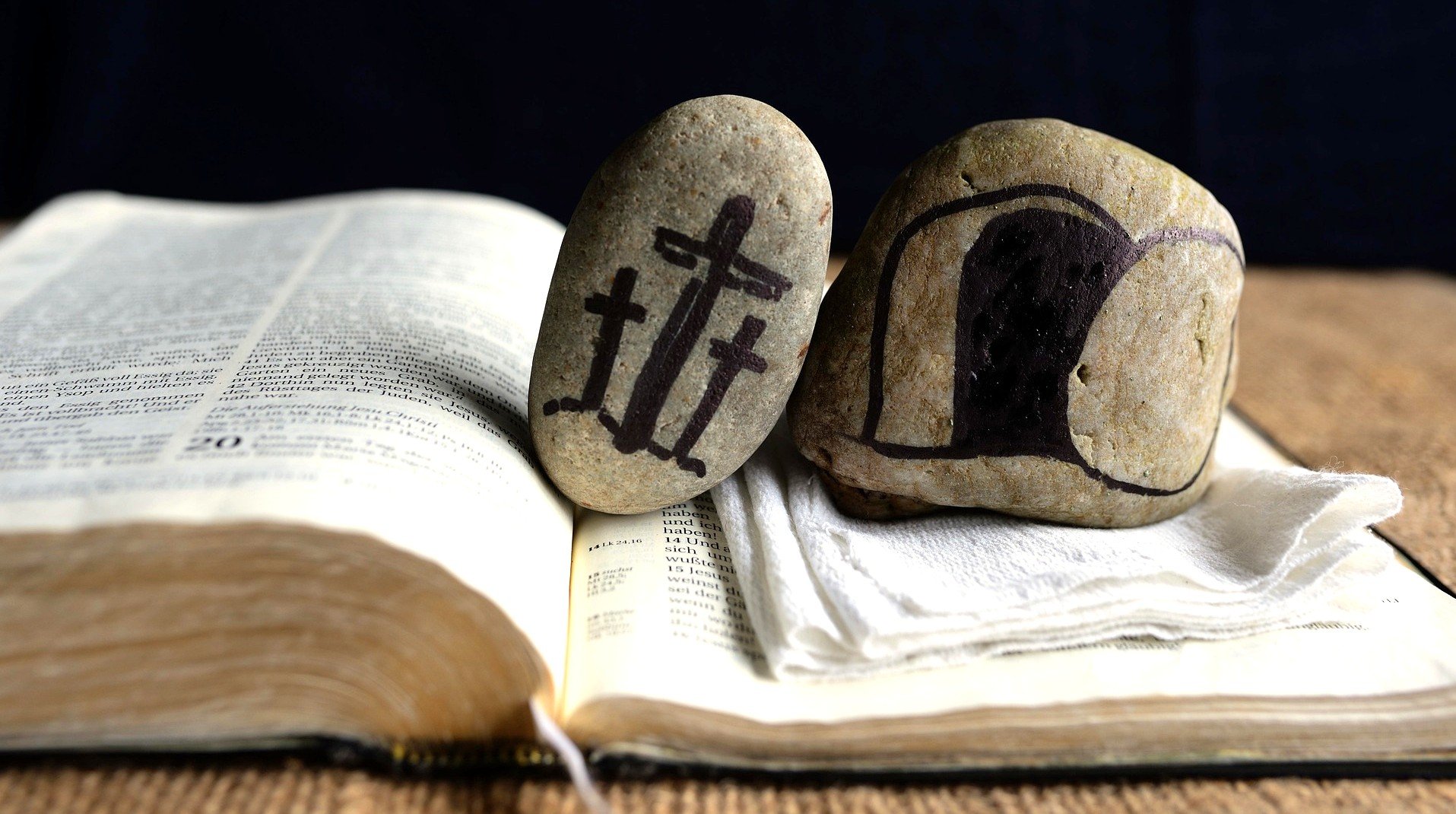
Much like Christmas, Easter has evolved over the years to include a whole host of secular customs. For many people Easter is simply an event that involves the coming of spring, two bank holidays, copious amounts of chocolate eggs, hot-cross buns, and a fluffy bunny that is somehow capable of delivering basketfuls of eggs! For those that celebrate the reality of Easter, it's a time to focus on the cross of Christ and the sacrifice that He paid to deliver us from our sins - and its a time to rejoice in the factual resurrection of Jesus from the dead! The cross and the resurrection are the most important events in history, and are packed full of meaning and incredible significance for those who follow Christ. As the then manager of Arsenal football club, Arsene Wenger, said back in 2002: "Christmas is important, but Easter is decisive". Mr Wenger was of course talking about the race for the Premier League title, but actually, when it comes to the real events of Easter, he was spot on! Whilst Christmas is of course vitally important, it's what happened at the cross that is decisive - for you and me, and every human being on the planet! That's how important it is....and people from every language group around the world need to be able to read and hear about the real Easter events.
The Cost of Easter!
Imagine if the UK, just for this year, gave up it's easter egg consumption, and instead gave all of that money to Bible translation! Here are some startling Easter facts and figures:
90 million chocolate eggs will be eaten in the UK this Easter.
500 million Cadbury creme eggs are made every year.
Those eggs, one on top of the other, would reach higher than Everest.
Bristol-based JS Fry were first to make chocolate eggs in the UK in 1873.
UK consumers will spend over £400 million on chocolate eggs this Easter!
Well, what could TWFTW do with that £400 million? Here's the answer: The average cost of translating and producing a New Testament is £158,000 over four years. There are at least 3,000 languages in the world today that don’t have a New Testament. If all of the UK ‘easter egg’ money this year was used for translation purposes, at least 2532 language groups would have a New Testament in their hands by 2030!

Testimony From Tanzania:
Mr & Mrs Victory Kunambi Hosen are very thankful for the Lughuru Bible translation Project in Tanzania. Since the project began in 2006, they have been using available sections of the Lughuru Bible to teach their grandchildren. They shared that the Bible has become a very helpful tool for passing on God's Word to the younger generation. Their grandchildren speak and understand their native Lughuru language better than the national language, Swahili. This makes the Lughuru Scriptures especially meaningful for their family. It is hoped the Lughuru people will have their full Bible published in 2027!
“OUT & ABOUT” DIARY DATES:
Tue 7th- Fri 10th: Romani New Testament Launch in Leskovac,Serbia
Mon 13th: Meetings inBurfordwith Seed Company Consultant
Tues 14: Bible teaching atCorshamBaptist Men’s Bible study (pm)
Sun 19: Preaching at Bethesda, Brampton,Cumbria(am&pm)
PRAISE & PRAYER POINTS:
Serbia:Praise God that 3 Roma languages in Serbia are about to receive their New Testaments. Pray that the dedication service on April 8thgoes according to plan, and provides lift-off for work amongst these people groups!
UK: Please pray for Barry & Julia Funnell who have a busy travel schedule coming up. They are heading to Zambia in April (6th-18th) where Barry will be consultant checking the OT books of Daniel & Esther in the Barwe & Nkangala languages together with a consultant from the United Bible Society.
Zambia: Last month we asked you to pray for the wife of Pastor Sampa, who works with the Aushi translation team. She was seriously injured in a road accident and lost an eye. She is gradually recovering from that accident, but we've also heard that one of their sons has recently died. It's been a very tough few months for them.
Quote of the month:
“If man had his way, the plan of redemption would be an endless and bloody conflict. In reality, salvation was bought not by the fist of Jesus, but by His nail-pierced hands; not by muscle but by love; not by vengeance but by forgiveness; not by force but by sacrifice. Jesus Christ our Lord surrendered in order that He might win; He destroyed His enemies by dying for them and conquered death by allowing death to conquer Him” - A.W. Tozer.