
We know William Tyndale - But who was England’s Unsung Bible Hero?

You may well be aware of the name William Tyndale. But do you know the man who made his mission possible?
A brief word from us before you read: The Word for the World is dedicated to ending Bible poverty by empowering indigenous communities to lead their own Bible translation projects. Our mission is to ensure that everyone can experience the power of God’s Word in their own heart language. If you share our vision of a world where every nation and tongue has access to the Bible, we invite you to support this mission through your prayers and giving.
Introducing William Tyndale’s partner - Humphrey Monmouth
Part One “The Man Behind Tyndale”
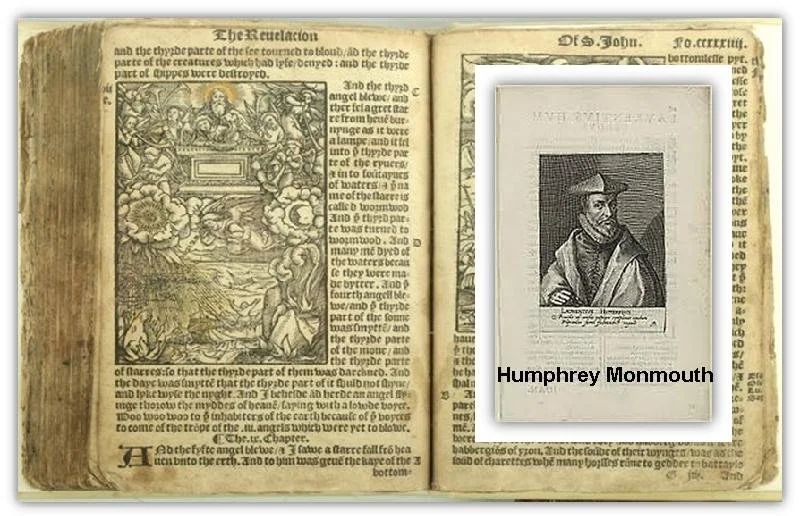
Meet Humphrey Monmouth, the original Bible smuggler.
The year is 1526. In England, the upper classes and the established church are vehemently opposing the spread of Scripture. They believed the Bible was not for the ordinary man or woman.
But little did they know that they were actually financing the distribution of Tyndale’s accessible New Testaments, because the wealthy cloth merchant from whom they bought their fine clothes was actually the one who was funding this vital gospel work; even using his own fabric to smuggle Bibles into England from Germany, where Tyndale had been forced to flee.
Tyndale first met Monmouth in 1523, and it was a meeting that would change the course of history. Moved by Tyndale's gospel-centred teaching, and troubled by the fact that many had no access to God's Word, Monmouth gave Tyndale bed and board while Tyndale's ground-breaking Bible translation project began. If you think that your small monthly gift to support Bible translation is seemingly insignificant, think again. Monmouth's financial support was no less spiritual and vital than Tyndale's Bible translation work. Together they lit the fuse of the Reformation in England.
Monmouth introduced Tyndale to a secret society of London merchants called 'The Christian Brethren' – a clandestine group financing and importing Christian literature to advance the cause of the Reformation in England. They recognised the significance of Tyndale's Greek-to-English translation, and gladly funded his work. At this time, the Scriptures were considered dangerous in the hands of the unlearned — they were only to be read by priests in Latin, and the price for defying the authorities in this matter was high.
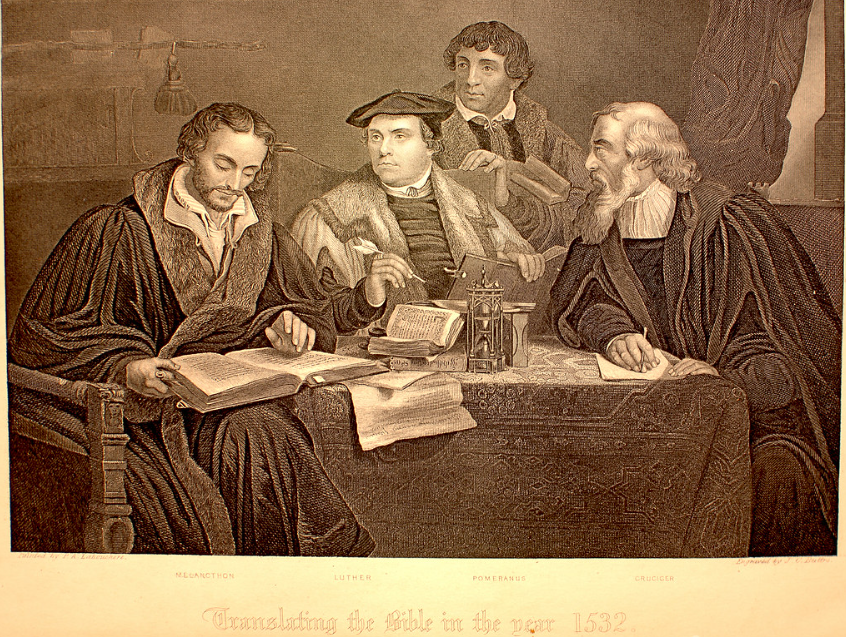
Translating the Bible in the year 1532 — Melanchthon, Luther, Pomeranus and Cruciger
The Cost
Despite Thomas Cromwell giving him a heads-up, Monmouth was tracked down by Sir Thomas More in 1528 and interrogated and imprisoned in a dark, dank room in the Tower of London. For twelve long months he languished there, fearing that he would never see his wife and two daughters again, and wondering if his business would survive the scandal.
“Monmouth’s financial support was no less spiritual and vital than Tyndale’s Bible translation work.”
Closing Reflection
Monmouth was no preacher, or theologian, but his quiet patronage was no less vital than the frontline work of Tyndale, which would not have happened without Monmouth's financial support. While today's pastors and preachers take the spotlight in our churches and on our screens, the Monmouths of today work quietly behind the scenes, in their everyday secular jobs, giving generously and selflessly to allow God's Word to be shared far and wide.
So what was it that drove a wealthy and respected man like Monmouth to risk everything for the gospel? Does he exemplify a Biblical example that we can follow today?
Part Two - Why risk everything for the Gospel?
The psychology, theology and risk calculus of a Gospel Patron
Humphrey Monmouth was imprisoned in the Tower, but he risked much more. His charges of assisting with the translation, printing and distribution of Tyndale’s New Testament carried the sentence of being strangled and burned at the stake – a fate that his friend Tyndale did suffer in 1536.

Across history there have always been business people who risk everything to financially support the spread of the gospel, and they are often found in the most unlikely of places. But why do we so rarely celebrate them? Perhaps because they often don’t want to have their contributions known or acknowledged, not letting ‘their left hand know what their right hand is doing’ (Matthew 6:3), and quietly advancing the Kingdom in a crucial way.
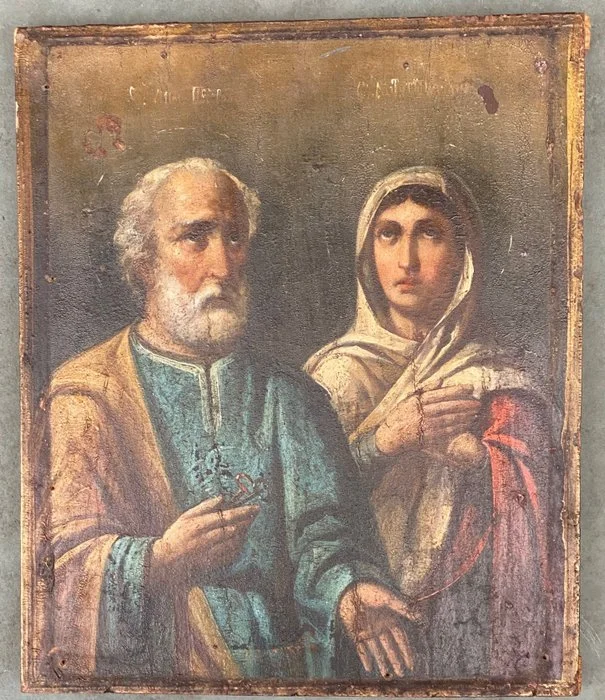
Throughout the Bible we see similar gospel patrons championed - men and women like Priscilla and Aquila (pictured below, right) in the book of Acts who were business people who supported the young preacher Apollos and partnered with Paul at the risk of their own lives. Like Monmouth, they stewarded their resources and affluence with sacrificial generosity, and Paul said that:
“They risked their life for me. I am thankful to them, and so are all the Gentile churches”
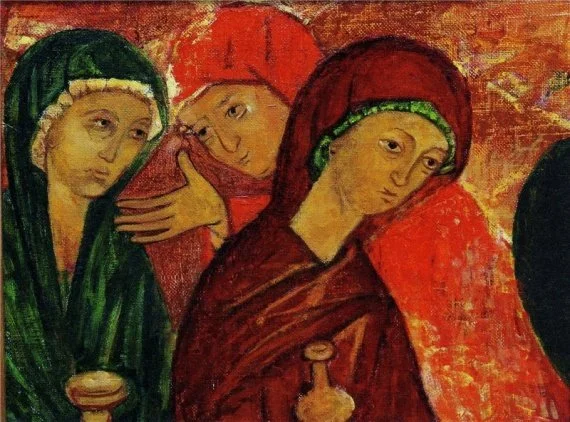
We see this also in Mary, Joanna and Susanna (pictured above, left) three generous women who followed and financially supported Jesus and his disciples. We are told that they ‘provided for them out of their means’ (Luke 8:3). They were kind enablers who followed Jesus until the end. There is so much we can learn from those who economically empower God’s Kingdom work.
Gospel Patrons
In John Rinehart’s book ‘Gospel Patrons’, he presents Monmouth as one of the great unsung heroes of the faith, someone we haven’t heard of, but are deeply indebted to. By equipping and supporting Tyndale, Monmouth allowed Bibles to be distributed effectively and widely throughout England, financing the printing of over 3,000 Bibles, and smuggling in over 10,000 copies of the New Testament. This Bible was the catalyst for the English Reformation, with the smuggled Bibles sold in bookshops and markets, to bricklayers and servants, who invited others to meet secretly in their homes to listen to Scripture in words that they could finally understand. For the first time Bible literacy began to sweep through the English-speaking world.
In his will, Monmouth wrote that his mission in life had been to ‘spread the Holy Word of Jesus.’ The Bible you have easily accessible in your home, and on your phone, is evidence of the success of his mission, as we enjoy the fruits of his risk and labour.
Pause for thought
This is a huge challenge and encouragement to any of us who are business people, or professionals blessed with wealth and resources. Who could you support on the front lines with the gifts that God has given to you? Could you be a modern-day Monmouth?
Part Three: The Modern Monmouth
Right now, across the world, there are men and women standing in the shadows, funding Bible access in restricted nations. But they no longer use creaky printing presses hidden in dark rooms: AI is their tool.
Monmouth’s network, ‘The Christian Brethren’ still exists in spirit, it’s just moved into the digital age.

Supporting the Gospel
Just as Monmouth used his network of businessmen to resource and distribute printed Bibles, donors who fund minority language translation are playing Monmouth’s role today, putting Bibles into the hands of those who have never had God’s Word in their heart language before.
Monmouth was practical and savvy in his support, using every tool at his disposal in his Kingdom work, and today new tools are being employed to accelerate the process of Bible translation for those who have been waiting a long time to read God’s Word in their own language. AiBT is Artificial Intelligence Immersed Bible Translation, a tool developed by The Word for the World, which enables mother-tongue translators to produce accurate and dynamic translations whilst shortening production time. This allows the indigenous translators to focus on refining meaning and ensuring faithful Scripture translation.
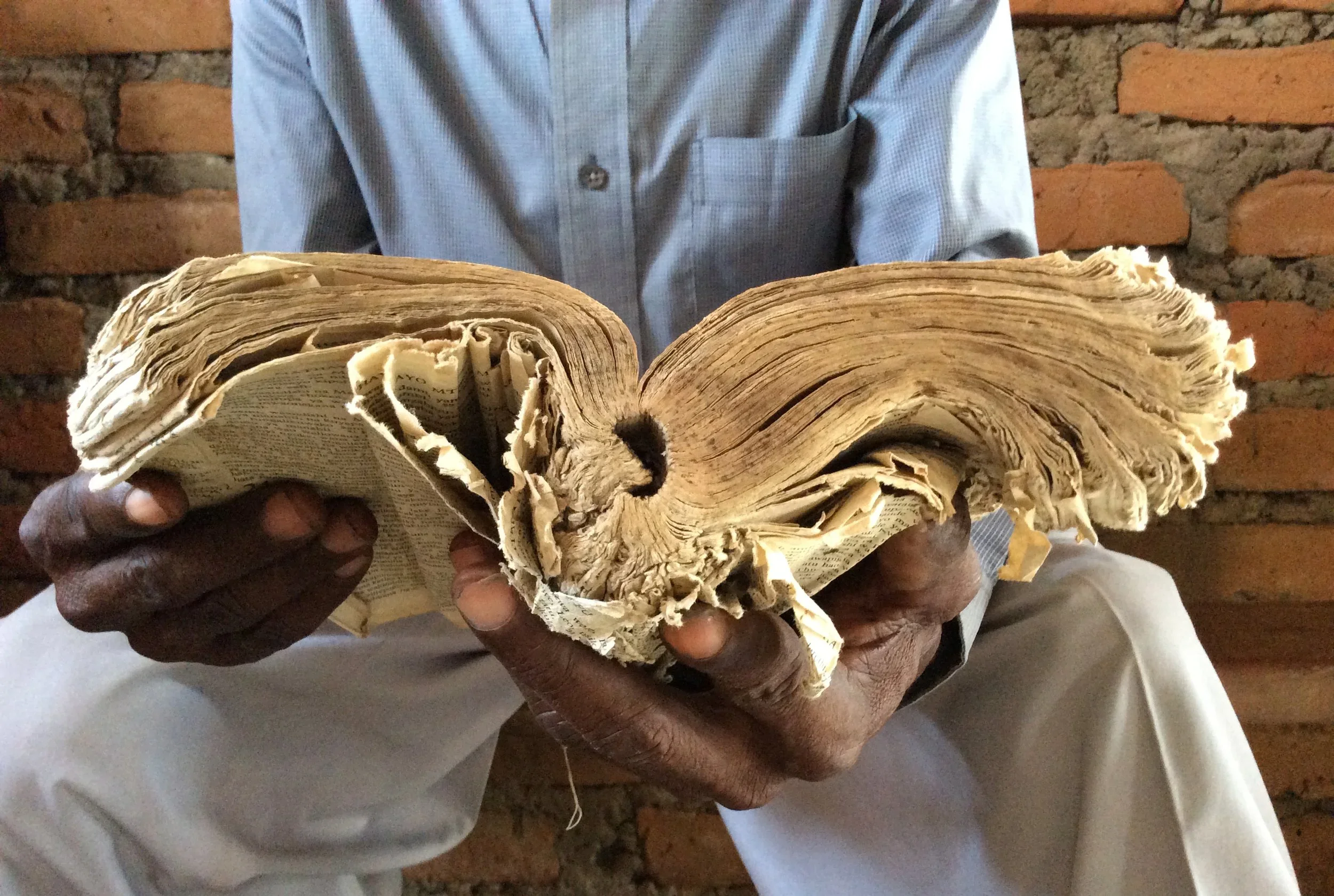

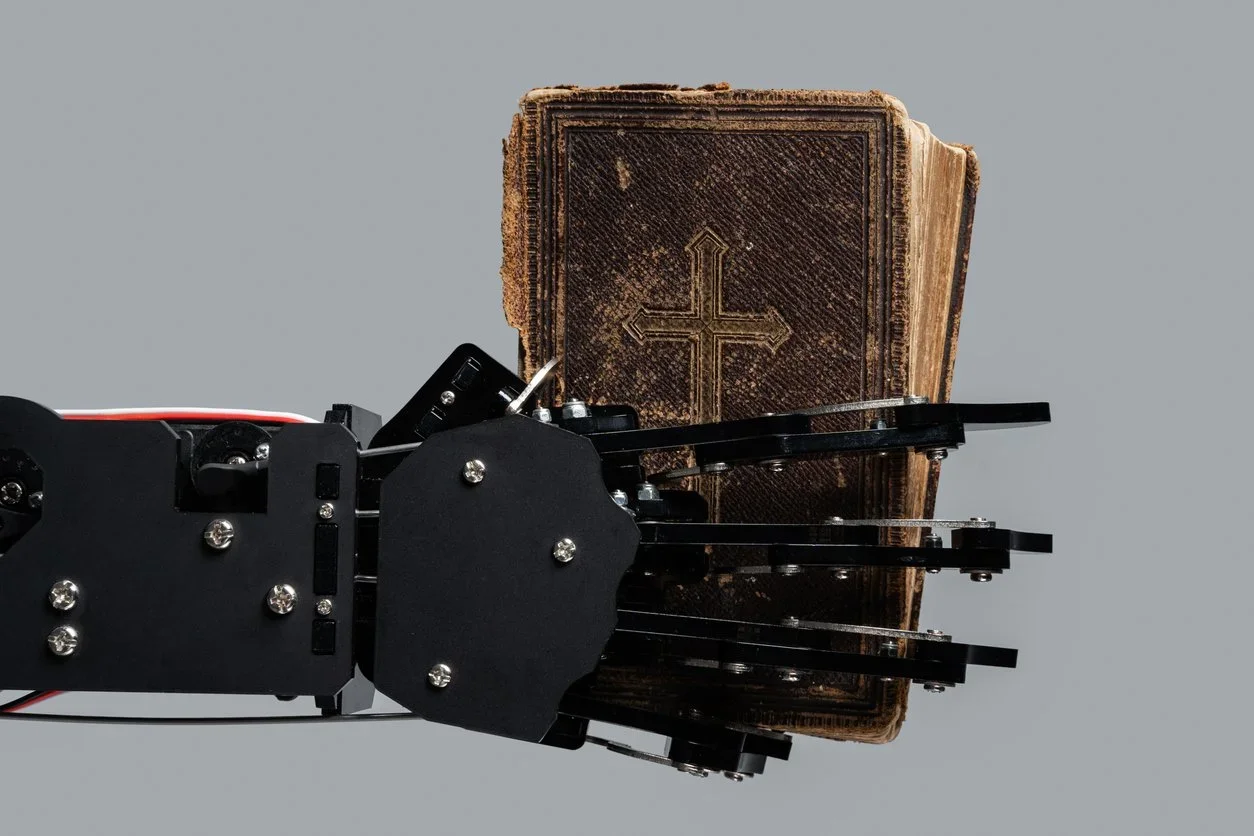
This work and technology is not founded by famous theologians. It’s funded by men and women who have used their business acumen and resources to faithfully serve God. There is always a broad scope for involvement in gospel work and a wide combination of gifting involved. Monmouth showed that individual funding and clever trade routes could sustain and protect important gospel translation work against the threat of official suppression. Today, those who support Bible translation work are enabling projects in areas such as South-East Asia, where translators face severe persecution, often working in secret and facing death to translate Scriptures into their native languages.
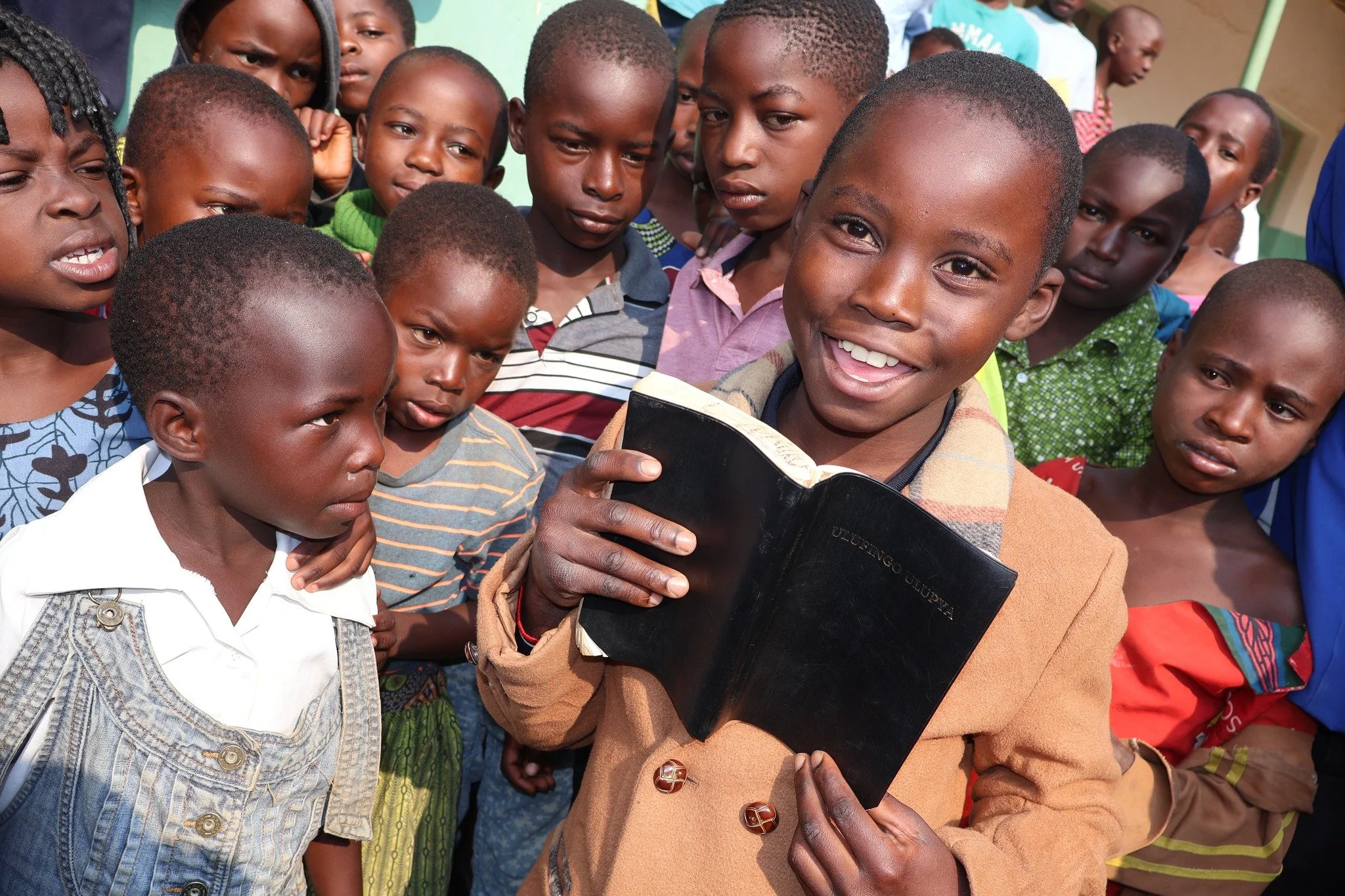
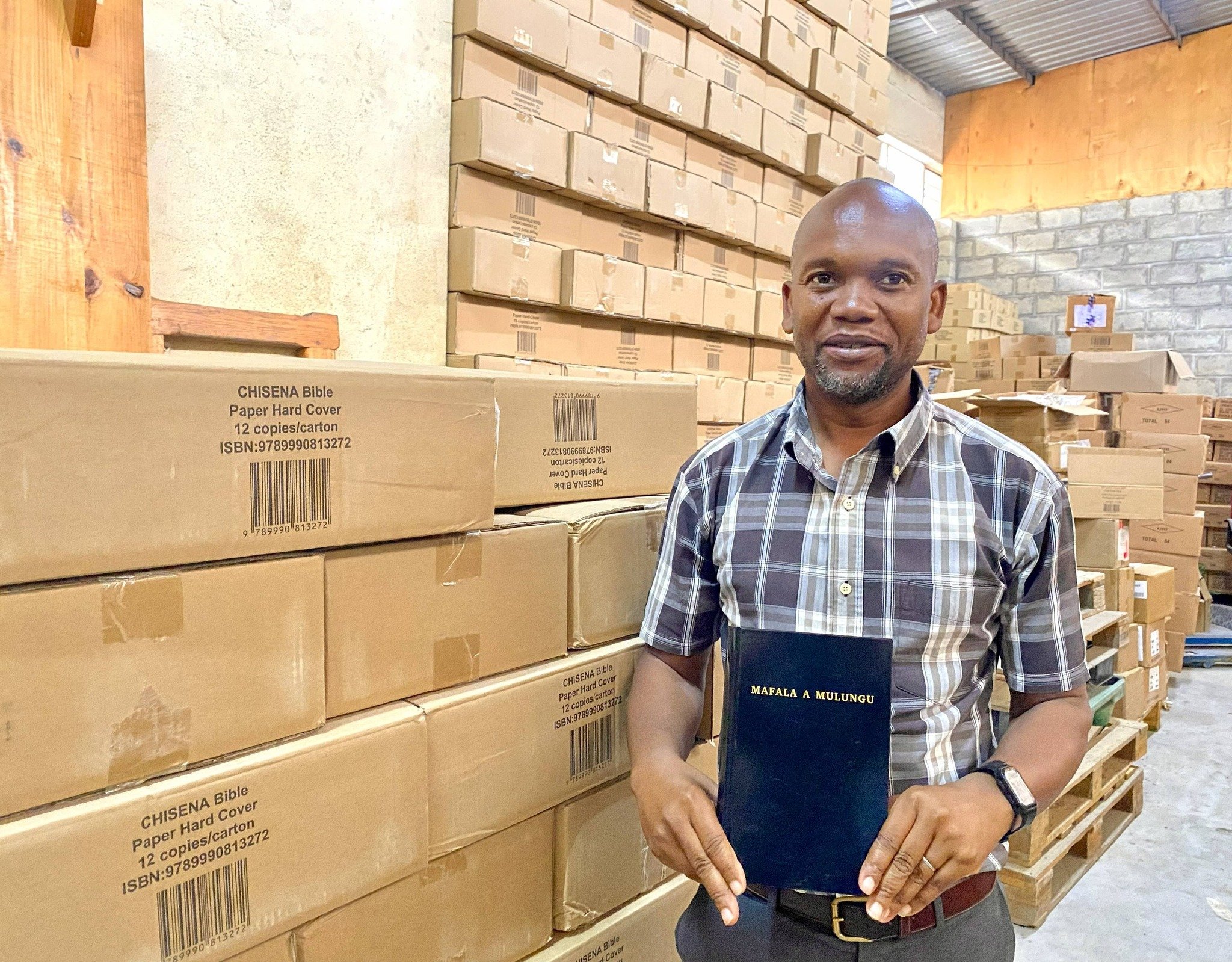

Ending Bible poverty is achievable. Tyndale and Monmouth were key players in this mission, and neither could have succeeded without the other.
References
https://reformationstewards.com/reformers/friends/humphrey_monmouth/
https://christianhistoryinstitute.org/magazine/article/a-man-for-all-people/
https://footnotesandtangents.substack.com/p/humphrey-monmouth
https://wm.wts.edu/magazine-articles/humphrey-monmouth-a-reformation-era-gaius
https://www.thestewardinvestor.com/articles/humphrey-monmouth
https://dwoj.org/humphrey-monmouth-he-was-faithful-to-his-assignment/
