Translating in the Shadows: The Human Cost of Scripture Engagement in Restricted Regions
A brief word from us before you read: The Word for the World is dedicated to ending Bible poverty by empowering indigenous communities to lead their own Bible translation projects. Our mission is to ensure that everyone can experience the power of God’s Word in their own heart language. If you share our vision of a world where every nation and tongue has access to the Bible, we invite you to support this mission through your prayers and giving.
When community testing becomes a life-or-death mission, local believers continue the work under the radar
Please note that all names, locations and regional identifiers have been omitted
The Incident on the Frontline
A translation team leader from TWFTW gathered his team’s translated sections of the Bible with anticipation. Community testing is a key part of the Bible translation process, and it was always both challenging and encouraging to find out what the locals would make of their work so far. No doubt many phrases and sections would need to be altered as the team sought to produce a Bible translation that would speak clearly to the local people in their heart language. These visits carried an element of risk, but community engagement was key to fostering engagement and ownership of the newly translated Scriptures.
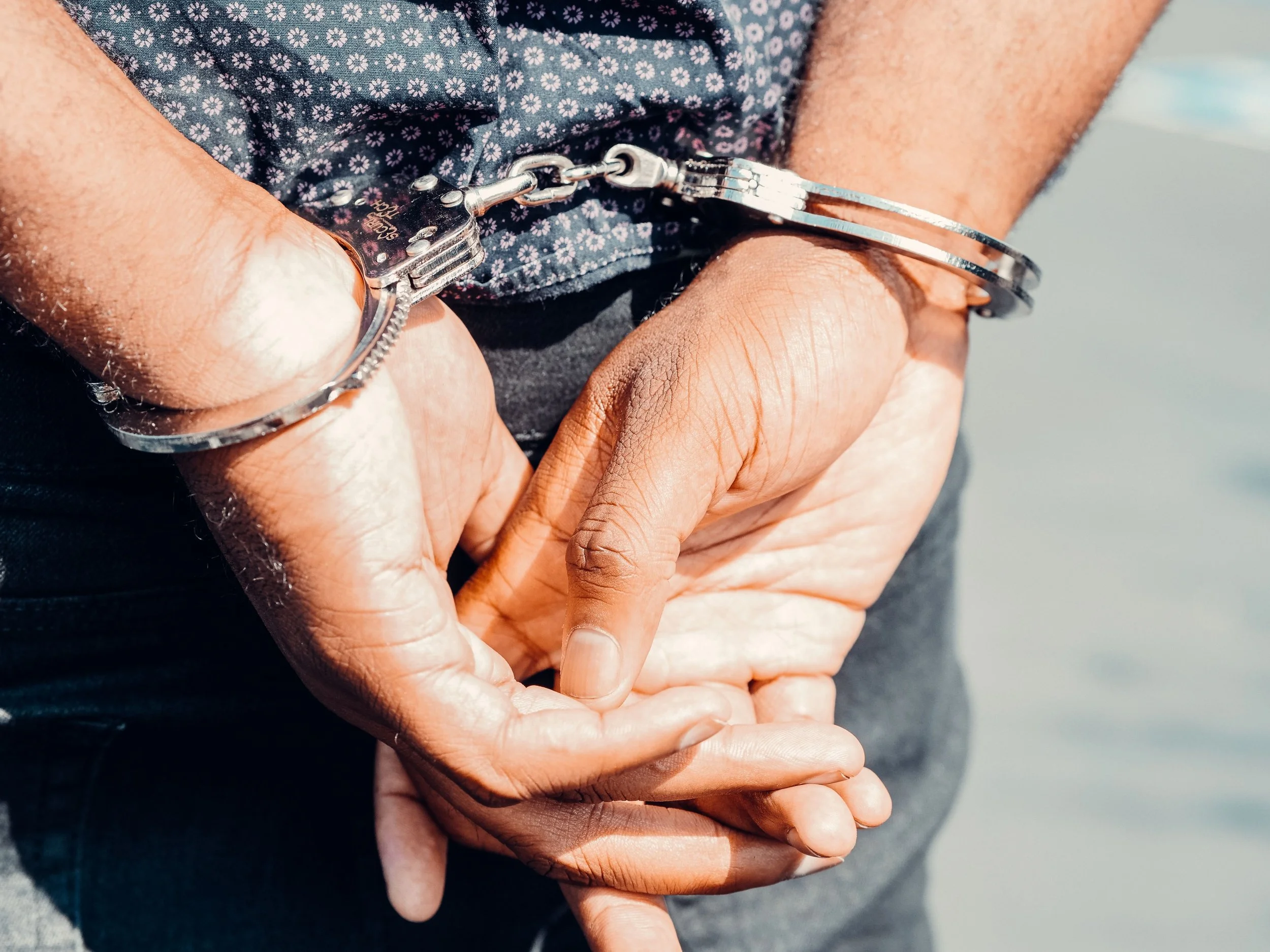
During the community testing, an armed group arrived without warning to arrest the Team Leader.
For months his team prayed for his safe return, whilst seeking information about his whereabouts and condition. Then the heartbreaking news was delivered recently: he was confirmed as dead, although no clear information was given regarding the exact time or location of this death, or where his body has been buried. His arrest and killing was carried out because he had embraced Christianity, encouraged others toward the Christian faith, and was involved in Bible translation work.
“Most painfully, we have recently experienced the loss of a deeply loved member of our team. His death reminds us that the cost of serving unreached language communities can sometimes be measured not only in years or resources, but in human lives. ”

The Hidden Cost of Scripture: Why Local Translators Bear the Heaviest Burden
If there is one job that is never ‘just a job’, it is Bible translation. We’ve shared recently about the huge linguistic challenges of translating the Bible into people’s heart languages for the first time, but Bible translation work is not just about bridging communication gaps. A TWFTW Director in a hostile region shared with us:
“I think many people understandably see Bible translation primarily as an educational and linguistic task. They may imagine translators sitting safely in an office, working with computers, dictionaries, and language resources. That is only part of the reality. Bible translation often means travelling long distances, entering remote communities, crossing difficult areas, working with limited resources, dealing with instability, and carrying the emotional burden of serving communities that may themselves be experiencing conflict, displacement, poverty, and trauma.”
At The Word for the World, our translators are not sent from overseas to translate the Bible for indigenous communities: our translators are members of those indigenous communities, trained up and equipped to follow the calling God has placed on their lives. And when their communities or governments are antagonistic to the gospel, these translators are the ones on the front line facing this hostility.
The threats can be wide-ranging: the wider political and security environment can create uncertainty, while armed conflict, checkpoints, restrictions on movement, local tensions, and unpredictable circumstances can all create risks. Sometimes simply travelling from one place to another can become dangerous.
There are many reports from around the world of Bible translators suffering persecution from majority religions and governments, encountering spiritual warfare, and being arrested and killed because of their faith and their work. It is not often reported, and when threats escalate, they cannot simply flee - their families and livelihoods are tied to the immediate community and they have local ministry commitments to fulfil and a translation team to support.
Open Doors’ 2025 World Watch List now lists 13 nations where persecution levels towards Christians are classified as “extreme.” The other nations on the list have “very high levels of persecution.”, with more than 388 million Christians now suffering high levels of persecution for their faith. Researchers with the organization said the number of Christians subjected to violence worldwide increased last year, with 29 reported as showing ‘an increase in violence’.[2]
“Behind every translation project are people and families. When something happens to one member of the team, it affects not only the project but also spouses, children, colleagues, churches, and the wider translation community. I believe it is important for our brothers and sisters around the world to understand that Bible translation is not simply a technical or educational activity. For many of us, it involves real people, real sacrifices, and sometimes very painful costs”
Digital Resilience and Increased Security in the Face of Persecution
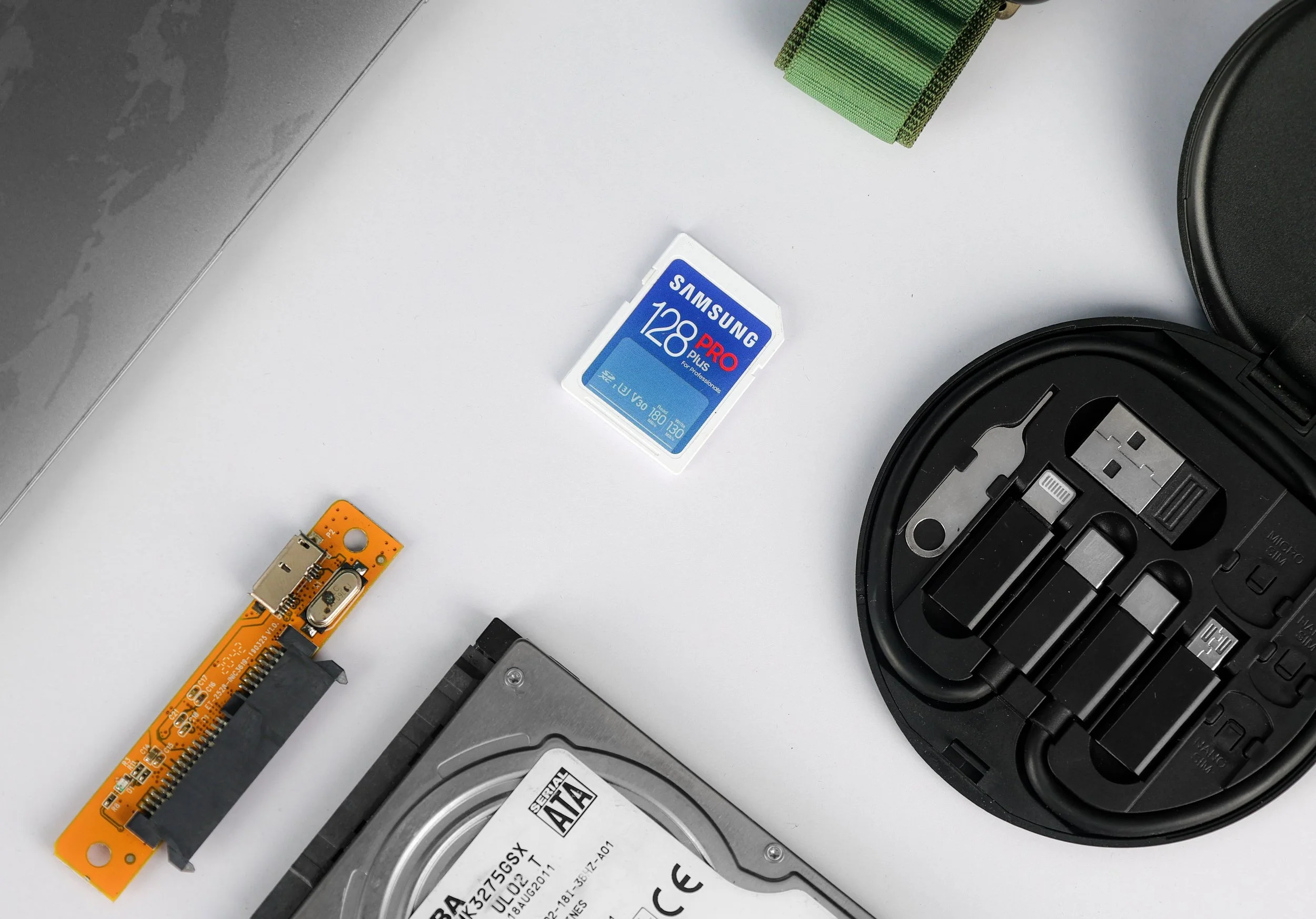
We reported recently on the high-tech and inventive ways that Christians are smuggling Bibles into hostile countries such as North Korea. Similar technology is also being utilised by Bible translators to allow them to continue to operate. AI is helping speed the process up, which helps save precious time and money[4], while moving data off physical paper onto encrypted cloud platforms means that even if authorities track down teams and confiscate or destroy equipment, the translation progress (which may have taken years) is protected. This safe technology also ensures that little or no digital footprints are left to be tracked.
Our translators and consultants often need to travel to remote communities, sometimes through areas where travel is restricted or where the security situation can change very quickly. We therefore have to think carefully about when and where people travel, how they communicate, what information is shared, and how project information is stored and transported. This may mean that we have to postpone travel or change plans because of security concerns. We also try not to expose unnecessary information about individuals, locations, translation projects, or ministry activities. These precautions can slow the work, but the safety of our people must come first.
There is also the option to use remote testing when in-person community testing becomes high-risk. Instead of public village meetings, teams can use micro-group audio testing through secure mobile messaging. There is then the issue of the ‘last mile’: getting the Bibles printed and into the hands of those communities. Being found with a physical Bible can have severe consequences in many countries, so instead they can be provided on encrypted micro-SC cards, or as a downloadable audio file.
As technology continues to advance, we seek to prayerfully consider how we can use it better to protect our teams and advance the translation of God’s Word.
“Translators are often faced with working in secret, moving from one location to another and keeping their work secret from friends, family and the community. Often due to death threats and persecution, translators wait until the work is completed, secretly taking the finished product to partners to print and share with others.[1]”
Modern Martyrdom, and the Cost of Bible Translation: Supporting those on the Front Line
“We do not want you to be uninformed about the hardships we suffered in the province of Asia. We were under great pressure, far beyond our ability to endure, so that we despaired even of life. Indeed, in our hearts we felt the sentence of death.”
Paul knew what it was like to suffer as a follower of Jesus, and the Bible is very clear that we are to expect to suffer for the gospel. When we seek to spread God’s Word to people who have never heard it before, it is therefore no surprise that persecution is fierce.
One weapon we have is prayer. The death of the Team Leader, as reported above, has created both emotional and practical challenges. His Regional Director shared the following prayer requests with us:
- We have lost not only a colleague but also a friend, a brother, and someone with knowledge and experience that cannot simply be replaced overnight. There are responsibilities that now have to be redistributed among other team members. Pray for our translators, consultants, staff, and their families. Pray for wisdom as we make decisions about travel and ministry. Pray for protection, emotional strength, and perseverance.
- Please also pray for the language communities who are waiting for Scripture. Their need has not disappeared because our circumstances are difficult.
- Please continue to support Bible translation financially and practically. Security challenges, travel restrictions, training needs, technology, consultant visits, translation checking, and publication all require resources.
- Please pray that people will understand the reality of Bible translation in places where the circumstances are very different from those in the West. We do not want our story to be used simply to create fear or sensationalism. We want people to understand the human cost, to pray intelligently, and to stand with those who continue serving.
We are blessed to live in a country where our lives are not threatened by our faith. This is not the case for many others, and especially those who are seeking to share God’s Word with those who have never read it before. Please stand with us in supporting Bible translation by praying with us for our translators, and funding their efforts by giving financially here.
“We are not simply translators, consultants, technicians, or administrators. We are husbands and wives, parents, sons and daughters, brothers and sisters, pastors and friends. We have fears and weaknesses, but we also have a deep conviction that God's Word is needed among every people and in every language.
The death of our colleague has reminded us of the seriousness of this calling. It has also reminded us that we are not alone. Thank you for standing with us, praying for us, and helping others understand the reality of Bible translation. Please continue to pray that God will give us courage, wisdom, protection, and faithfulness to complete the work He has entrusted to us.
His death has reminded us that following Christ does not guarantee safety or an easy life. At the same time, it has reminded us that our hope is not ultimately in our circumstances but in Christ. We do not believe that his life was wasted. He gave himself to a ministry that seeks to make God's Word available to people who have very little or no access to Scripture in their own language.
Even in our grief, we have seen God's presence.
God has strengthened us through prayer, through Scripture, through our churches, through colleagues around the world, and through people who have contacted us simply to say, "We are praying for you."
Knowing that people who live thousands of miles away are praying for our team, our families, and the communities we serve gives us tremendous encouragement.
We have also been encouraged by remembering the reason we began this work: there are people who are still waiting to hear God's Word in the language they understand best.
Our colleague's life has challenged us not to give up. We mourn his death, but we also want to honour his life by continuing faithfully.” TWFTW Director in a hostile region