
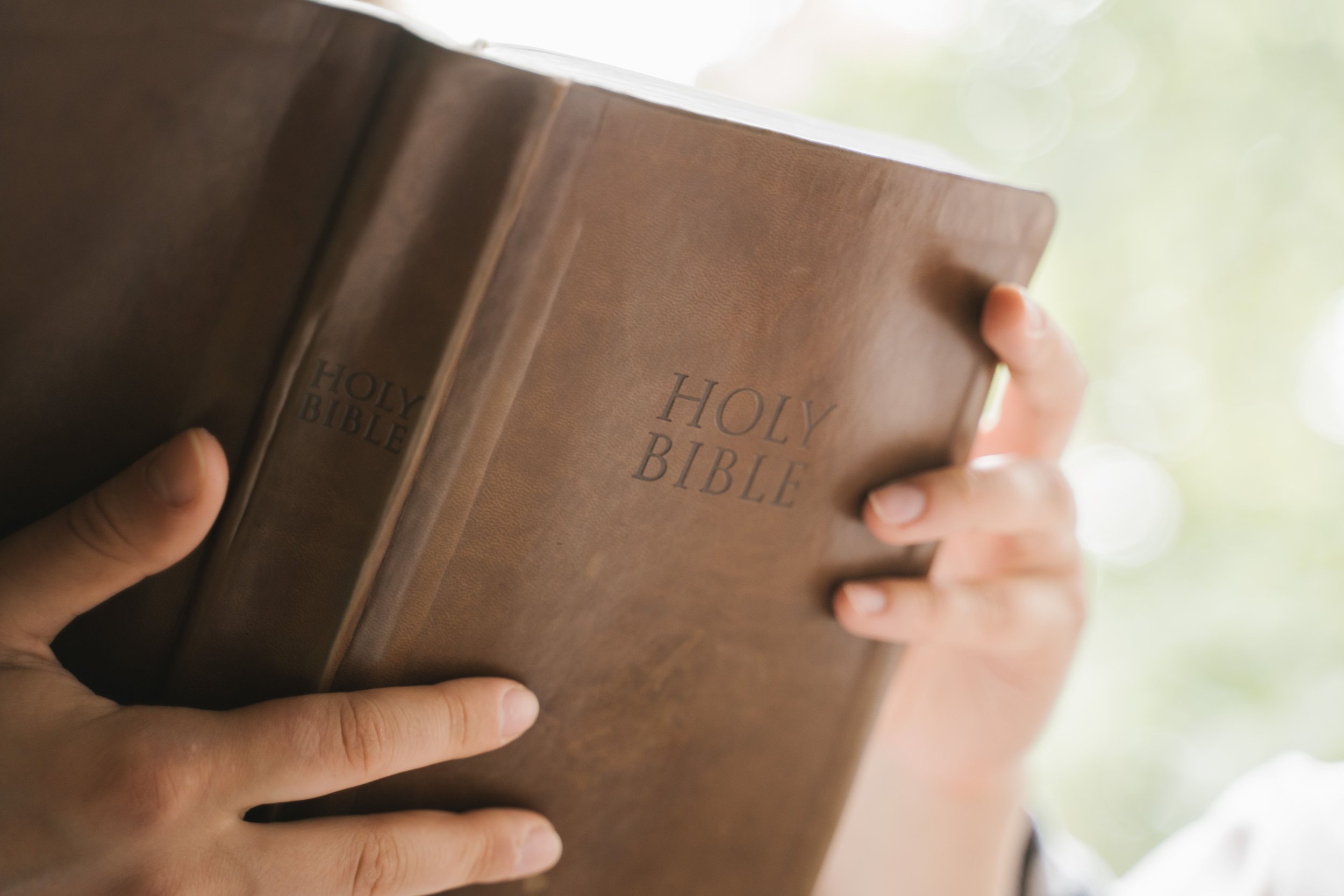
Articles TWFTW Bible Translators
The Word for the World Bible Translators is dedicated to eradicating Bible poverty by empowering local communities to lead the translation of Scripture into their own heart languages. The following articles explore various topics related to Bible translation and TWFTW, as well as highlighting how indigenous-led translation strategies, and modern digital distribution tools are transforming lives, strengthening local churches, and ensuring God's Word is fully accessible to unreached language groups across the globe.
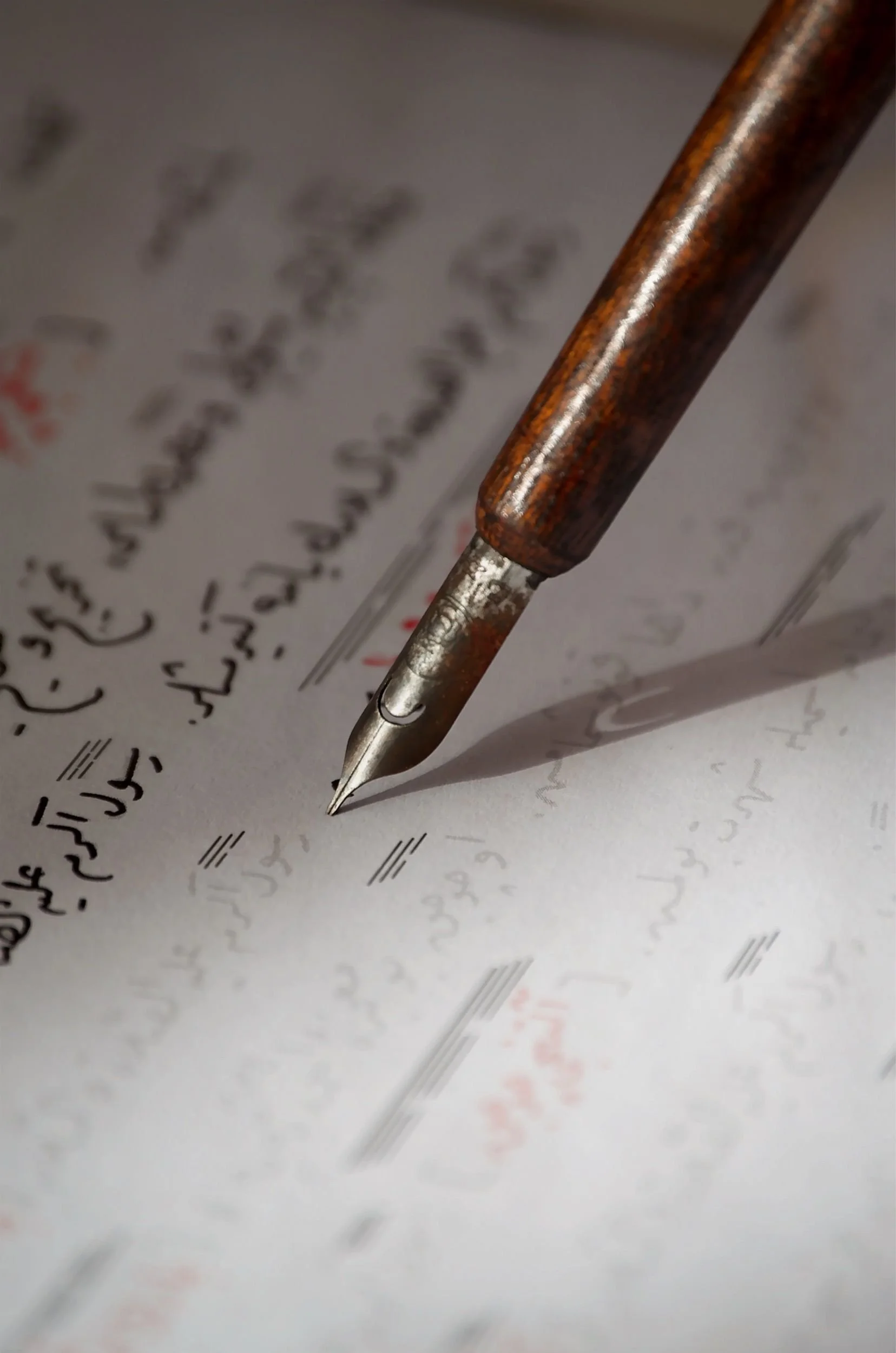
How many times has the Bible been rewritten, and can we still trust it?
There is a common misconception that the Bible has been rewritten so many times that our modern-day Bibles are very far from the original source material.
But it may surprise you to know that The Bible has never been rewritten, but carefully translated, many, many times, into over 800 languages, making it the most translated book in human history! But do the staggering number of translations affect the reliability of the Bible?
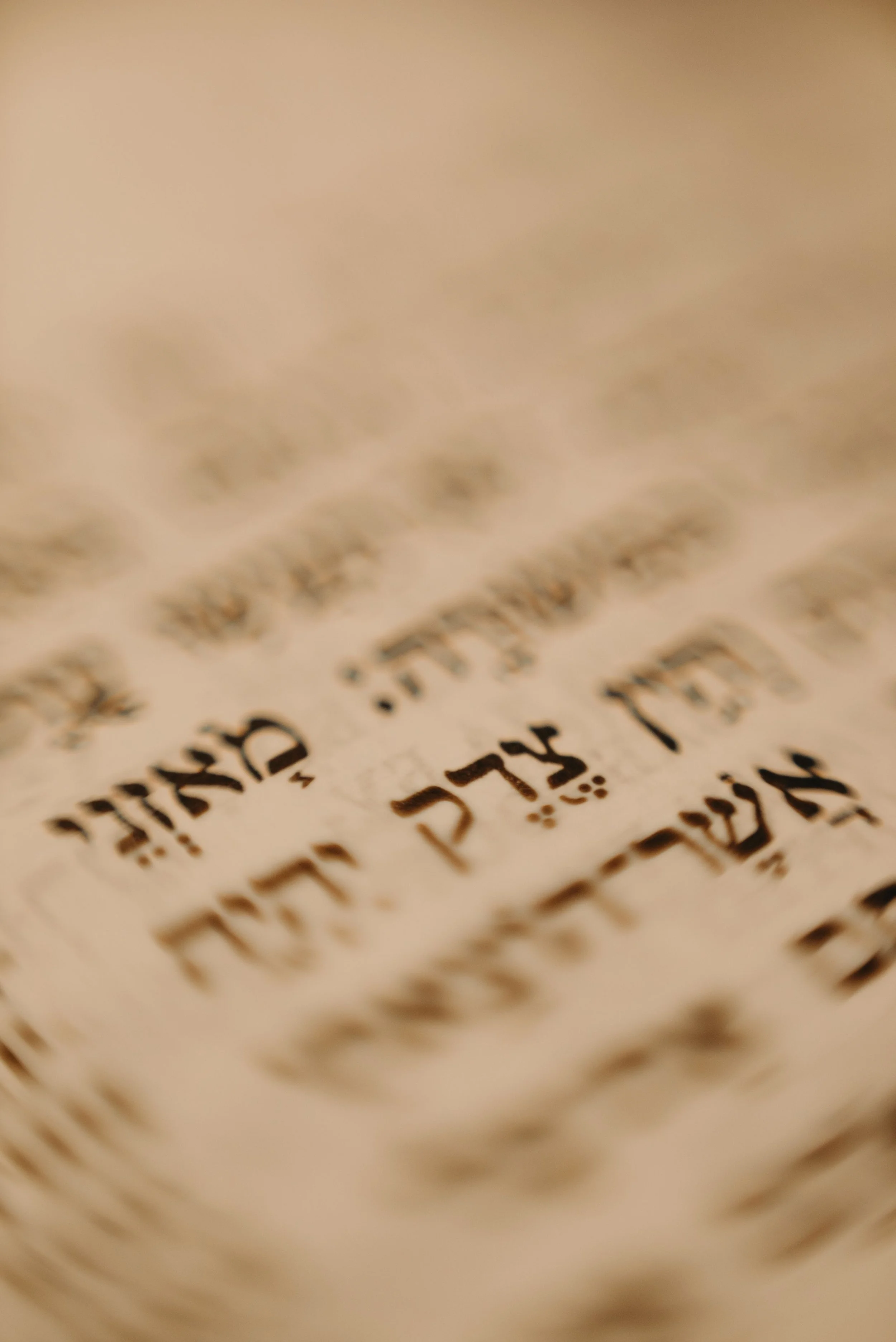
What is Hesed? The Hebrew Word That Changed How We Understand Love
Mercy, love, kindness, compassion, faithfulness, grace, beauty, devotion, friendship, benevolence – these are all quite different words, aren’t they? It may surprise you to know that they are all translations of one Hebrew word, ‘Hesed’ – and that sometimes all these variations can even be found in the same translation of the Bible!
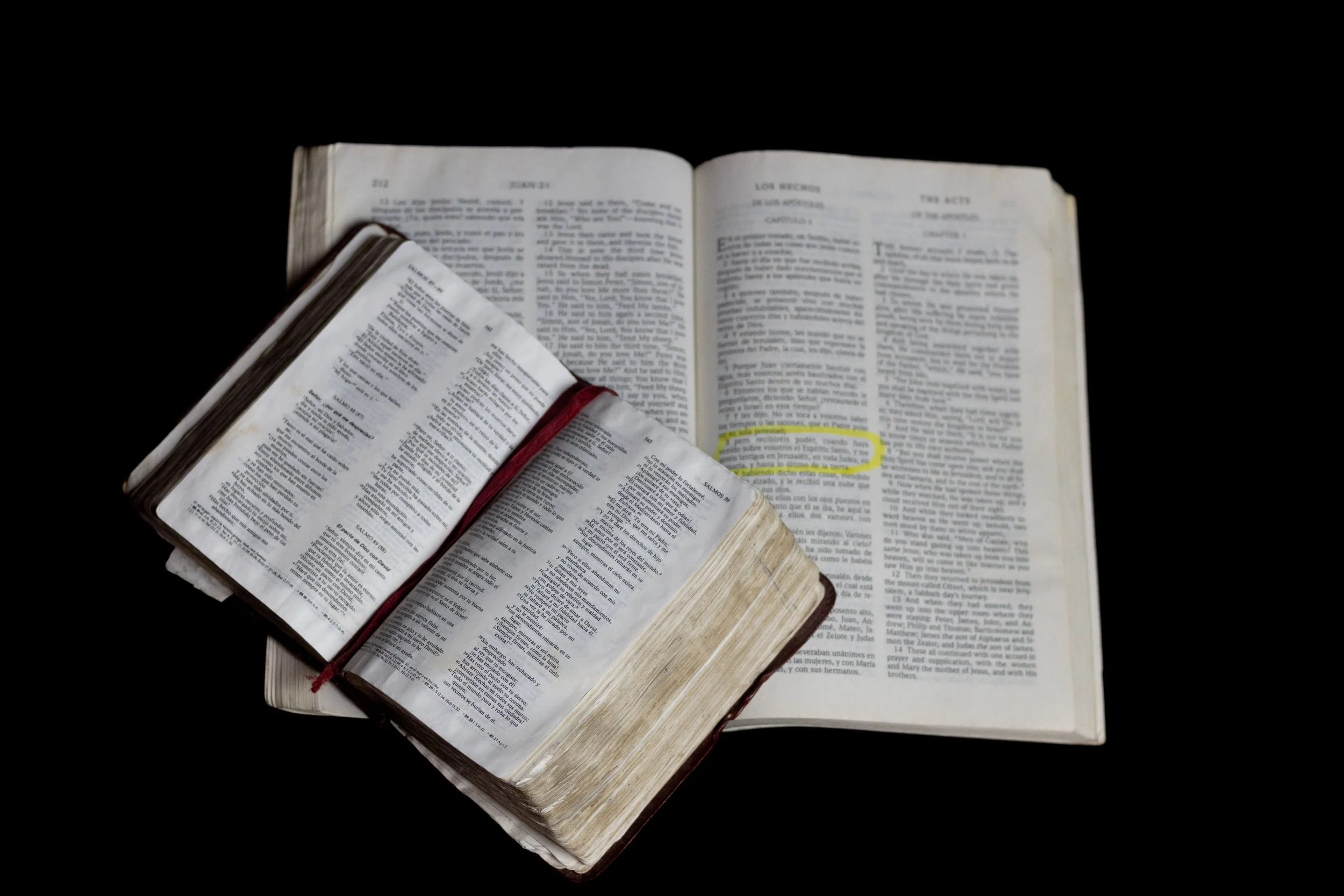
Word-for-Word or Thought-for-Thought? Understanding Formal and Dynamic Equivalence in Bible Translation
Understanding the distinction between formal and dynamic equivalence is essential to grasping how Scripture is translated across languages and cultures. While formal equivalence takes a literal, "word-for-word" approach to preserve original grammar and structure for precise theological study, dynamic equivalence focuses on a "thought-for-thought" method that conveys the intended meaning, emotion, and impact in clear, natural everyday language. By leveraging dynamic equivalence through local indigenous translators, organizations like The Word for the World break down linguistic barriers, ensuring God's Word speaks clearly and accurately directly into people's heart languages.

Translating in the Shadows: The Human Cost of Scripture Engagement in Restricted Regions
When community testing becomes a matter of life and death, local believers continue the vital work of Scripture translation under the radar. Far from sitting safely behind desks, indigenous translators operate on the front line of extreme hostility, face severe persecution, and risk arrest or death to bring God’s Word to unreached language communities. Explore how digital resilience, encrypted tools, and unwavering faith keep this essential mission alive in the world's most restricted regions.
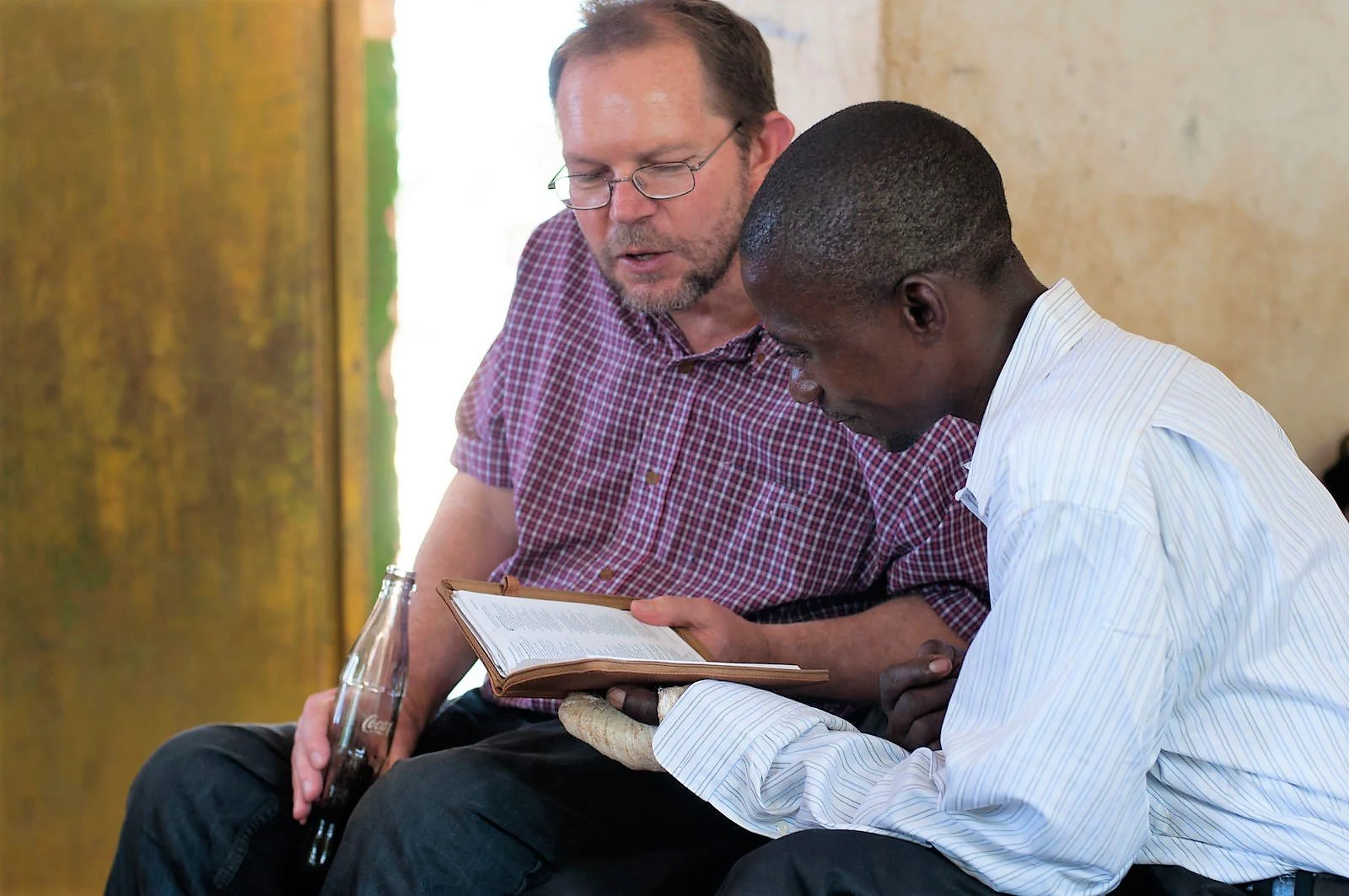
The reality of Bible Translation - navigating non-literal language
Translating the Bible into thousands of world languages involves far more than literal word-for-word translation. With hundreds of core idiomatic expressions in the original texts, translation teams must navigate unique cultural phrases, non-literal meanings, and the nuances of local mother tongues. Through an interview with translation expert Barry Funnell, this article explores how indigenous-led teams, thought-for-thought translation, and AI technology work together to overcome complex linguistic challenges and bring Scripture to life in communities' heart languages.
How was the Bible translated into English
The history of translating the Bible into English is a journey marked by immense risk, perseverance, and sacrifice. From St Bede’s deathbed dictations to William Tyndale’s martyrdom, key figures fought to make Scripture accessible to ordinary people. Today, while over 900 English translations exist, thousands of global language groups are still waiting for a single verse in their native tongue.
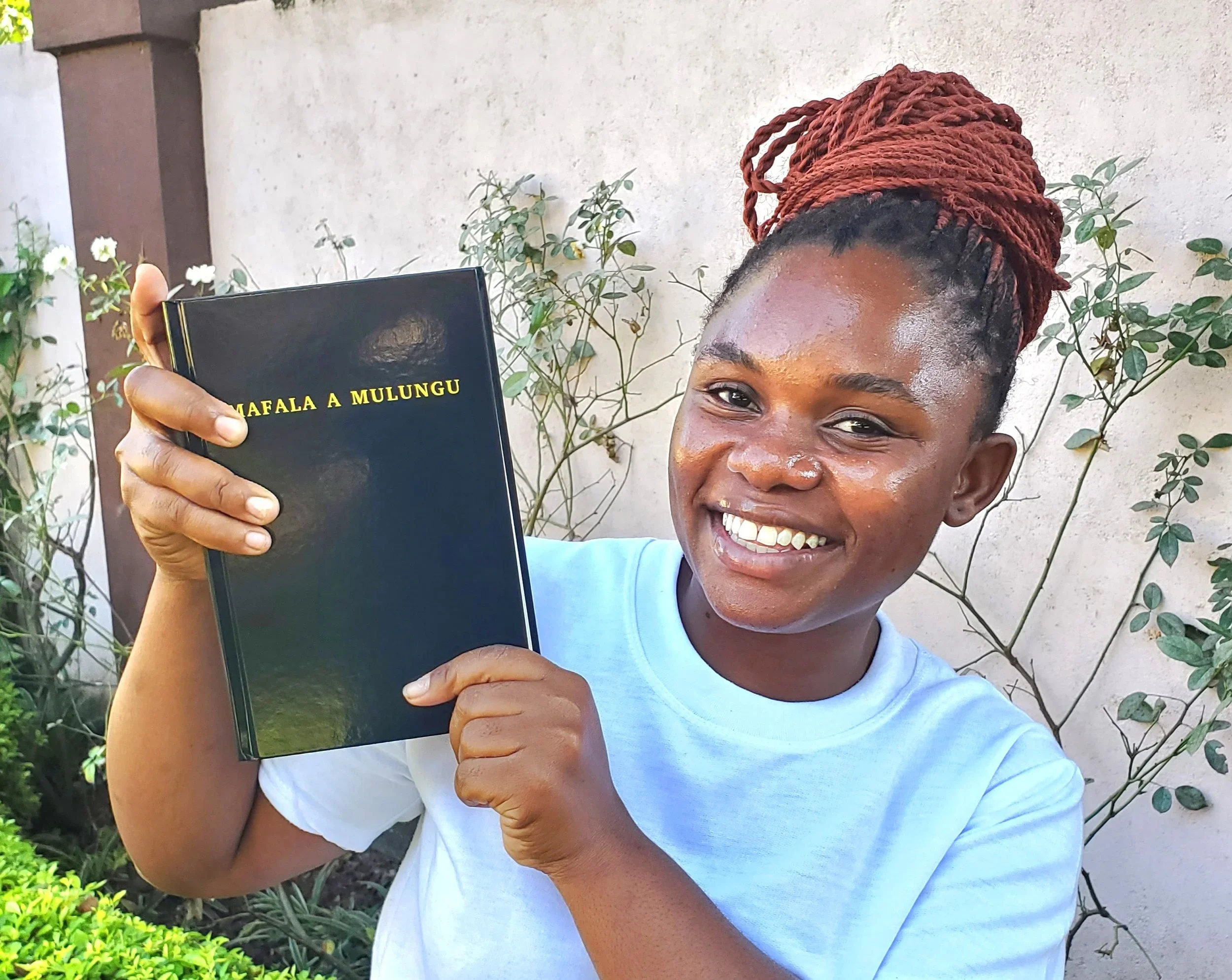
How Many Languages is the Bible Translated Into?
Global translation statistics are always changing, but it is estimated that throughout the world 776 languages have the full Bible (6.2 billion people), while 1,798 have the New Testament (887 million people), and a further 1,433 languages have portions of the Bible (508 million) 1 . These seem like encouraging figures, but they pale when you consider that this means that 1 in 5 people are still waiting for a Bible in their heart language.
What is Selah?
But why is ‘Selah’, which appears 74 times in the Hebrew Bible, never translated? Well, the short answer is, no one actually knows what it means! Even the ancient translators of the Septuagint (translated around 130 BC) were stumped, translating it, rather unhelpfully, as ‘apart from psalm.’
What is the most accurate Bible translation?
You want to know which Bible to read; which is the most accurate? Which translation is closest to Jesus’ actual words; which one hasn’t lost the real meaning over time? Currently, there are over sixty English Bible translations to choose from, which doesn’t make the decision any easier.

AI in Bible Translation - People, Community & the Heart of AiBT
Our translators are doing God’s work, and their time is valuable. By using AiBT to reduce first-draft labor by 22%, we empower them to focus less on mechanics and more on refining meaning, engaging communities, and ensuring faithful Scripture.
From Tyndale to Today — The Evolution of Bible Smuggling
Remember Tyndale’s illegal New Testaments that were smuggled in from Germany, hidden inside Monmouth’s bolts of luxurious cloth? In sixteenth-century England, this was the only way to get Scripture into the hands of the working classes, despite both men facing the death penalty for their actions. It reads like fiction, but people are going to the same lengths today to get God’s Word into hostile countries around the world. The difference is that nowadays the entire Bible fits on something smaller than a fingernail.
The risk, however, can be identical.
We know William Tyndale - But who was England’s Unsung Bible Hero?
The year is 1526. While the English elite and the established church fought to keep the Bible out of common hands, they were unwittingly paying for its distribution. Behind the scenes of William Tyndale’s historic translation was a wealthy cloth merchant—a man who risked his reputation and fortune to smuggle the Word of God into England. From the bustling trade routes of Germany to the secret compartments of fabric crates, discover the story of the man who turned the textile trade into a lifeline for the Reformation.