How Many Languages is the Bible Translated Into?
A brief word from us before you read: The Word for the World is dedicated to ending Bible poverty by empowering indigenous communities to lead their own Bible translation projects. Our mission is to ensure that everyone can experience the power of God’s Word in their own heart language. If you share our vision of a world where every nation and tongue has access to the Bible, we invite you to support this mission through your prayers and giving.
The Bible Translation Gap
Did you know that there are over 900 versions of the English language Bible to choose from? From the traditional King James Version, to the modern New Living Translation, there is such a wide spectrum of choice! And it’s not just the English language that has many translations available - the Bible is the most translated book in human history.
This makes the following fact all the more unbelievable: despite the Bible being translated into more languages than any other book, more than 3,000 language groups around the world still don’t have a translation of any portion of the Bible. With over 7,000 languages actively spoken around the world today, that means that 42% of language groups are Bibleless and thousands of communities have no access to the Scripture in their heart language.
So, after more than two thousand years of Bible translation, we want to ask, just how far has Bible translation actually come, and what does the current Bible translation gap look like?
“It’s difficult to conceive that bibleless places remain on earth. Yet for 6,500+ languages, a full Bible does not exist.”
How many languages have the Bible?
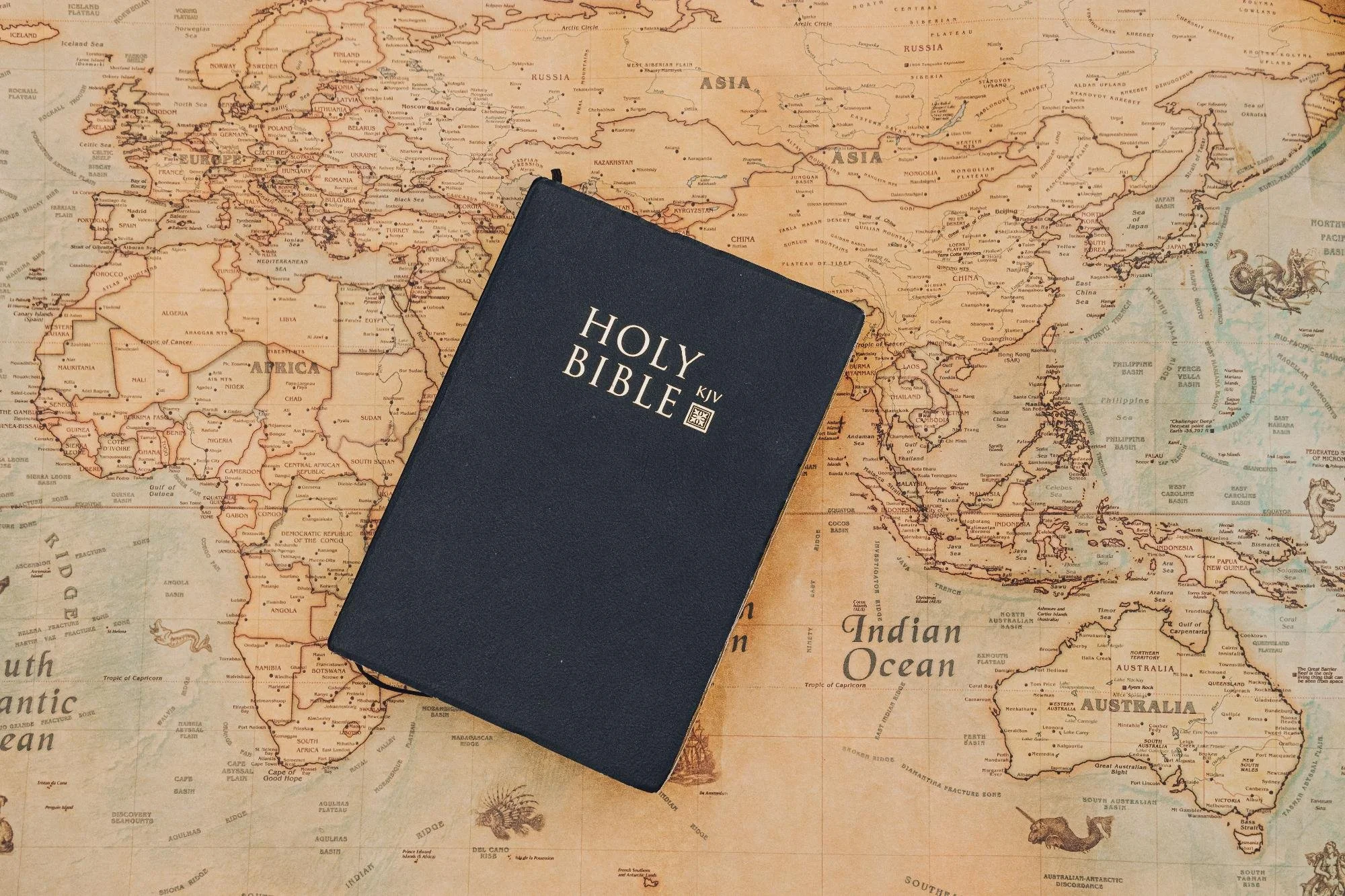
Global translation statistics are always changing, but it is estimated that throughout the world 776 languages have the full Bible (6.2 billion people), while 1,798 have the New Testament (887 million people), and a further 1,433 languages have portions of the Bible (508 million) [1].
These seem like encouraging figures, but they pale when you consider that this means that 1 in 5 people are still waiting for a Bible in their heart language.
Have you heard of the term ‘heart language’? It’s one we use regularly here at The Word for the World, and it describes the first language we learned in childhood. It’s the language we dream, think, and pray in. Many indigenous people only ever hear the Bible taught in a neighbouring or trade language - a language they may not fully understand, and that does not resonate with them. For us, it would be like watching a Netflix show with slightly dodgy subtitles: distracting and always keeping things at a surface level.
That’s why we translate the Bible directly into people’s heart language, because we believe that it is the clearest way for them to hear God’s voice, allowing deep spiritual transformation through the Holy Spirit.
Reuben Kabwe from our Central Africa team shared why Bible translation for people groups that have never had God’s Word in their own language before is so vital:
“My conviction is that the Bible, when accessible in their native tongue, can profoundly resonate within their hearts, opening the door for genuine transformation and connection.”
Why are so many people Bibleless?
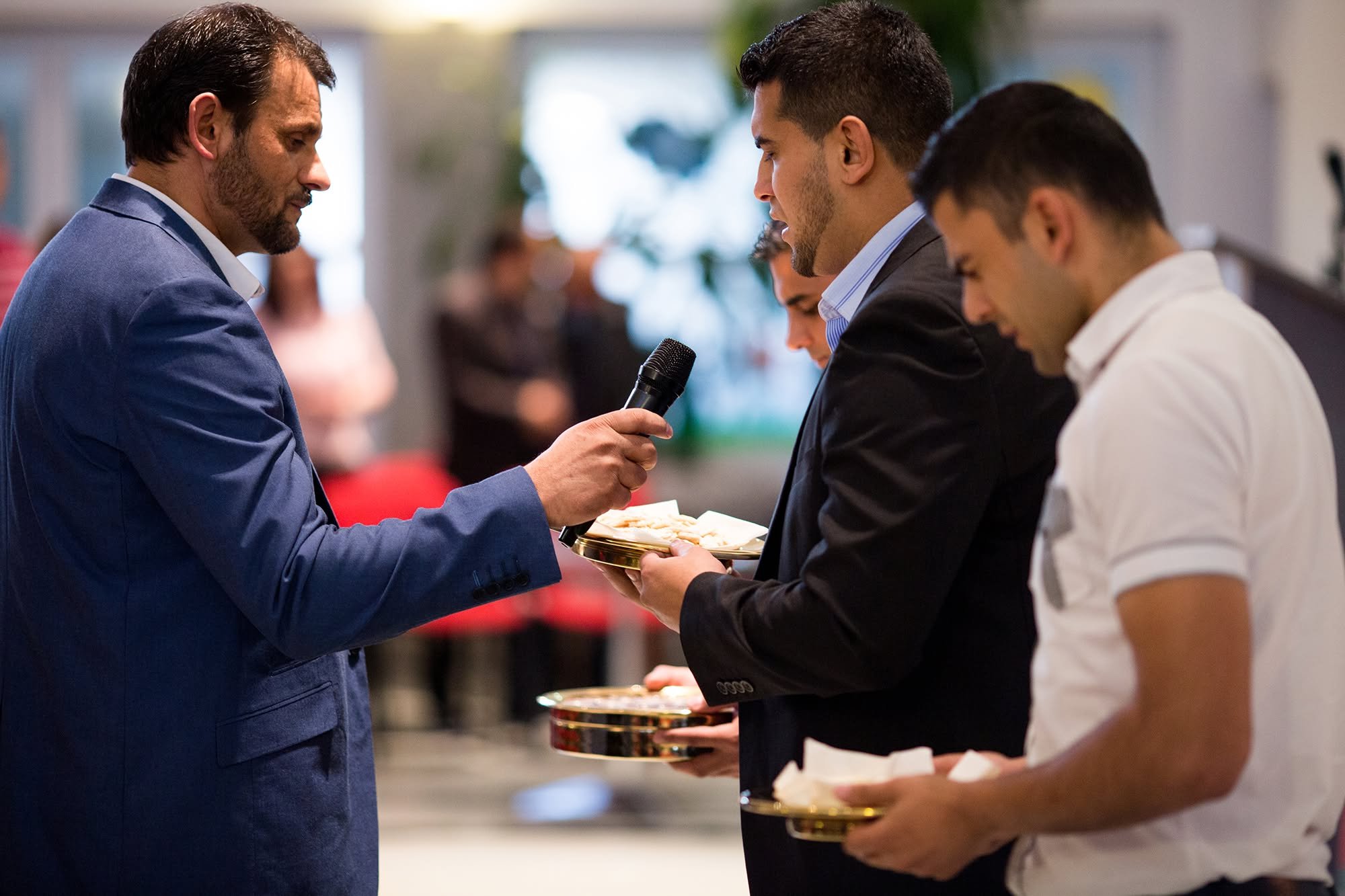
It is hard to conceive that Bibleless places exist nowadays, but it is evident that with 3,000 groups still without the Bible translated into their heart language, this is a very real issue. To be Bibleless doesn’t just mean a lack of physical books, but a total lack of Scripture in a format or language a community can truly understand and own.
So why do Bibleless places exist? Some factors are linked with physical poverty – lack of funds, lack of education, and people living in remote locations. But some are more specific, such as language groups who do not have a written language (this accounts for 40-50% of the world’s languages), and the sheer amount of time it takes to translate a book as big and complex as the Bible (10-25 years, although this is being shortened).
With such a huge number of people Bibleless, and the task of translating a full Bible so daunting, we may then ask, are these obstacles insurmountable?
‘Translating the Bible into a new language is fraught with challenges. One of the major obstacles is the vast differences between languages…Translators must carefully select words that best convey the depth and richness of the original text. Another challenge is the cultural context. The Bible is deeply rooted in the ancient world, and translating ancient customs, locations, and traditions into a modern context requires great care... Additionally, some languages are not written languages or have limited written records. In such cases, the translation team may need to work with the community to develop a written script, which can add years to the translation process.’ [2]
The Modern Solution: Changing How Translation Happens
We at The Word for the World will not allow these challenges to become excuses or hindrances to people being able to access Scripture. Alongside the new tool of AI we have a specific three-pronged approach to Bible translation:
1: Investing in local communities and people
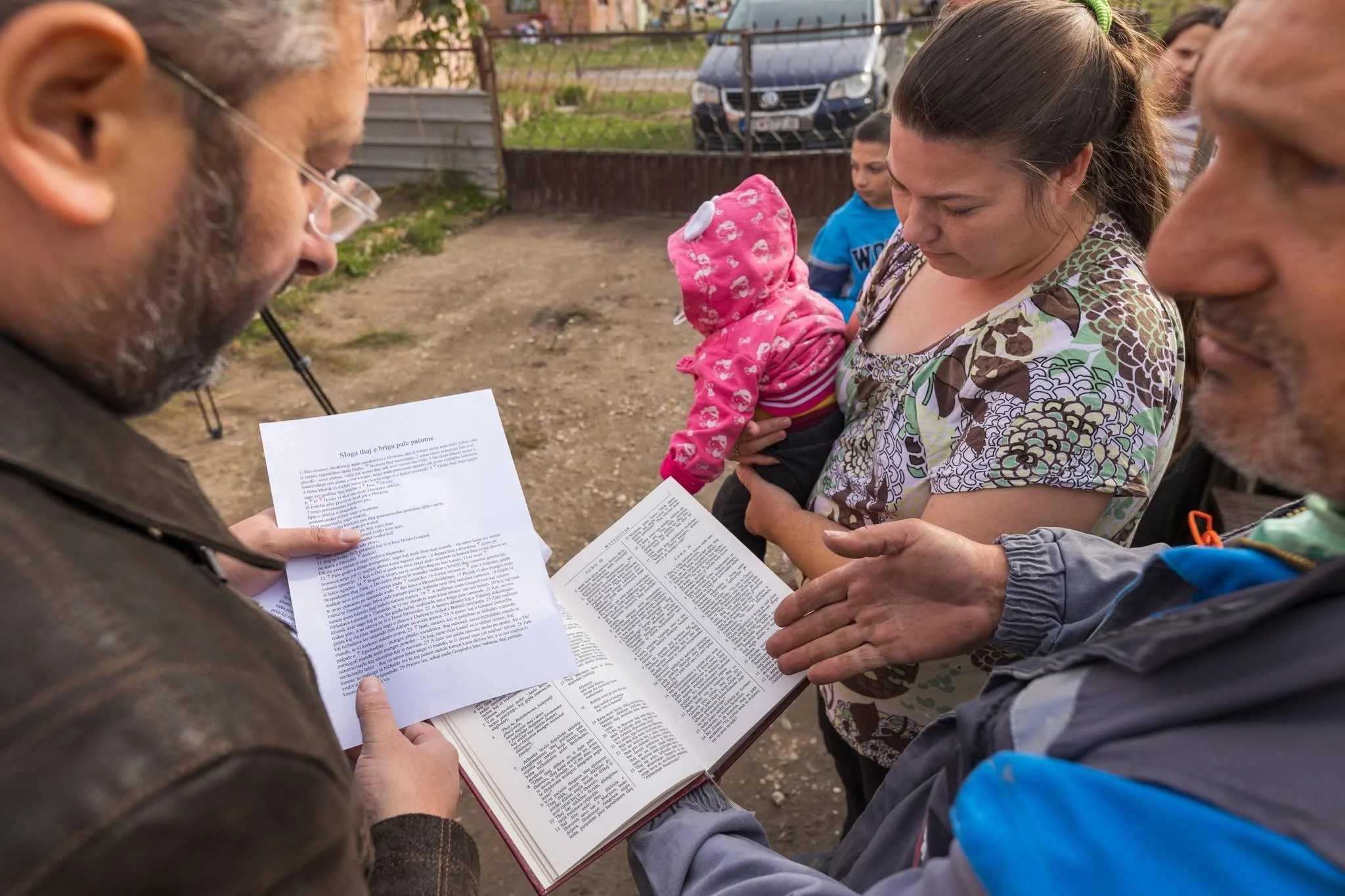
We support indigenous-led Bible translation. Our mission framework centres on investing in communities and people first. Where required, we aim to set up mother-tongue literacy programmes alongside the Bible translation project. Local coordinators are chosen and teachers are equipped to teach reading and writing to both children and adults, with literacy committees established to promote mother-tongue literacy within the community. Our goal is that everyone will be able to access the newly-translated Scriptures.
2: Equipping indigenous Bible translators with professional training
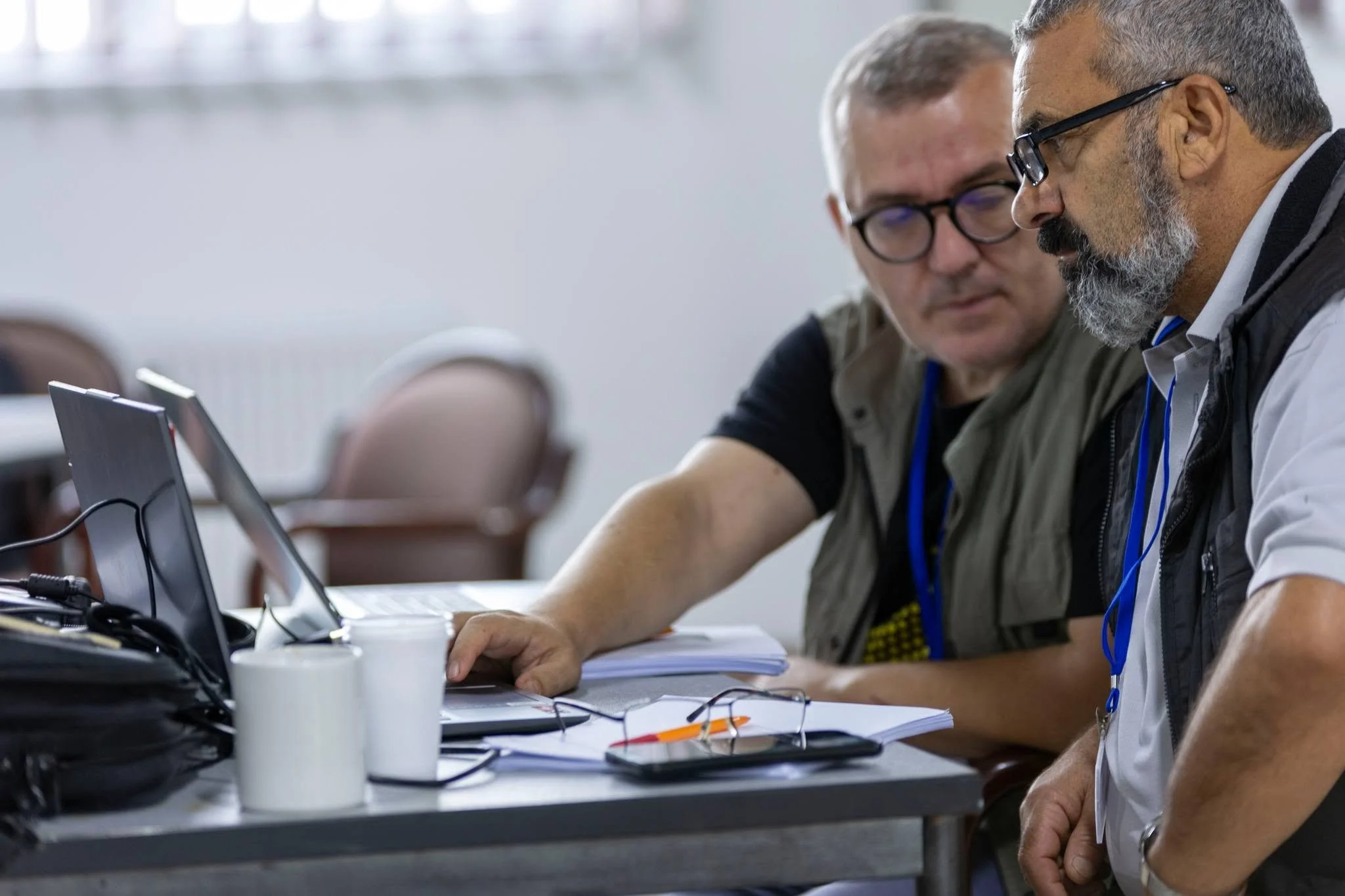
Training is a fundamental aspect of our work. We train people within their own communities in Bible translation, providing the tools they need, and helping them build the skills, knowledge and attitudes that are crucial for this work.
Our pioneering Diploma in Bible Translation programme allows those who feel called to Bible translation to obtain practise-orientated training. We also run a consultant development programme to train qualified practice-orientated consultants who can improve and ensure the quality of the translations we produce. We now have 1,196 Diploma in Bible translation students and 119 consultants in training around the world, working in countries such as Malawi, Slovakia, and Ethiopia. The model is built on one simple truth: the best translators are those who know the language best, because it is their own.
3: Building sustainable translation community
Once the Scriptures have been translated, it is essential to ensure that they are being used. We ask the community themselves to review draft translations so they can be field-tested before they are published. A portion of scripture is usually tested by hundreds of community members before it is published, with literate community members taking the portions home to read them to illiterate family members. Encouraging feedback from the community helps improve the translations to make them more understandable, and lets the community themselves take greater ownership.
Indigenous-led Bible translation is a model we pioneered, and it works. More than 450 projects are now at work in oral, written, and sign languages. Training, research, quality assurance, and AI-driven translation tools help God’s Word shine in ways that are deeply understood. Through this model, Scripture is translated, tested, owned, and embraced among their own people. God’s Word is coming to life within each local church and community.
“I saw the Lord Jesus speaking, living and eating like a Weida person, so I felt that the Lord Jesus was also a Weida person like us. Before, I thought of the Lord Jesus as a foreign god, but now when I read the Weida Bible, I understand that the Lord Jesus is the God of our Weida people.”
The Story of the Sena People
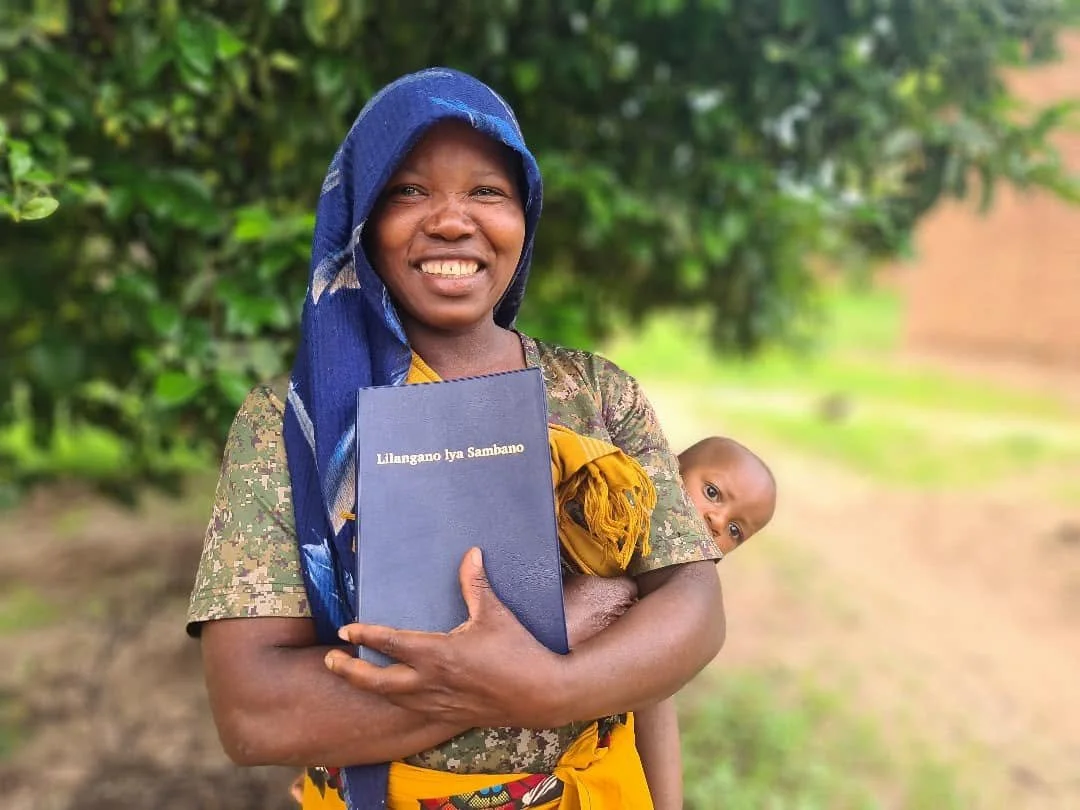
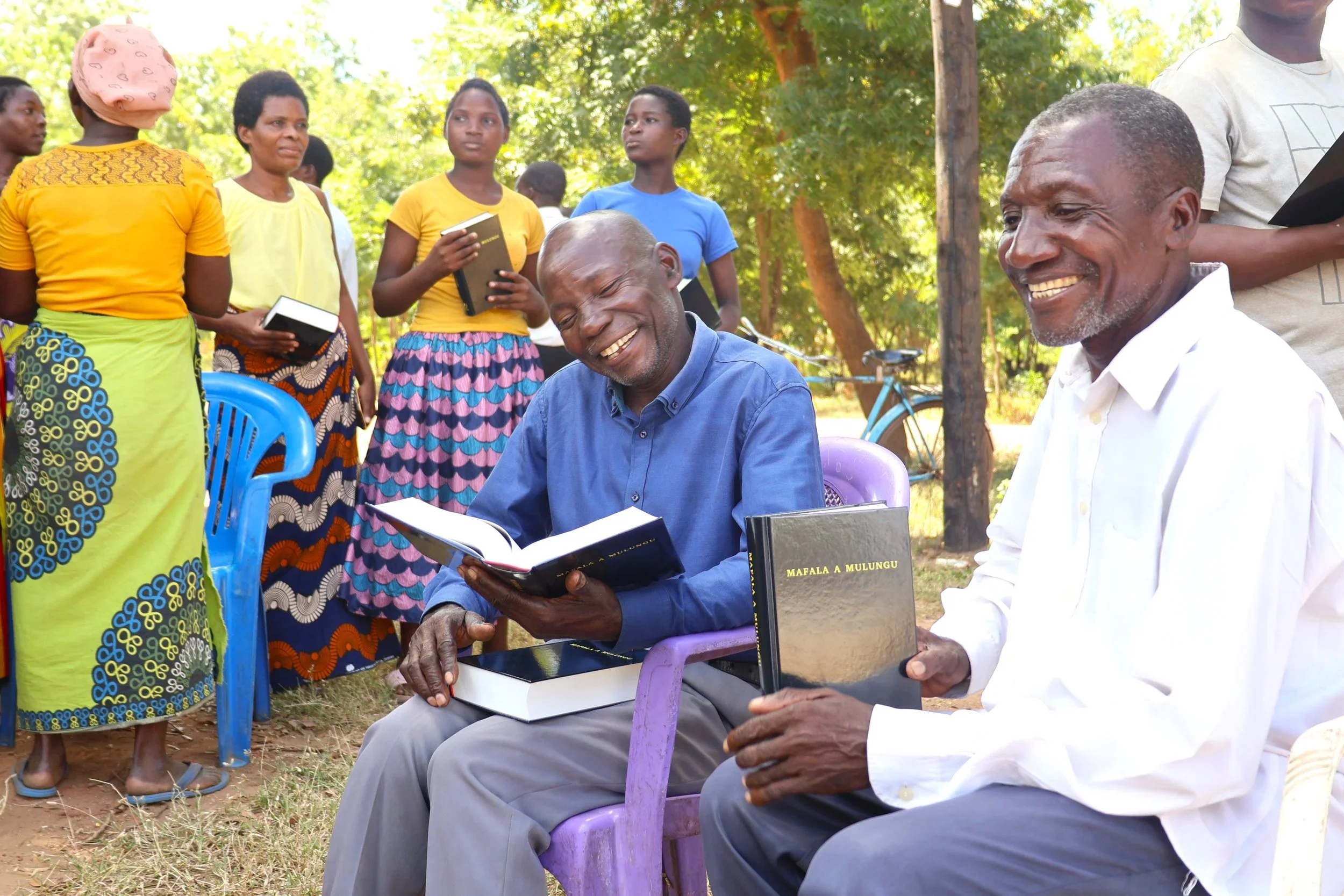
In 2006 the Sena people of southern Malawi received the full Bible in their heart language for the first time. It had taken 10 years of painstaking work for the three Sena translators involved in the project and there was much rejoicing when the Sena people finally held God’s Word in a language they could understand.
But the Sena people face many challenges. Malawi is one of the world’s least developed countries and alongside widespread poverty, the Sena people also suffer from frequent flooding from the nearby Shire river. Imagine their despair when, in 2023, the storeroom holding their supply of Sena Bibles was badly damaged by a cyclone, and 2,000 of their Bibles were destroyed.
After hearing their plea, Steve Lancaster, the UK Director of the Word for the World decided to do a sponsored climb up Mount Sinai and Mount Catherine (the highest mountain in Egypt) to raise £24,000 to purchase the much-needed Bibles for the growing Sena church. After a twenty-mile climb and a staggering £36,000 of donations, plus £12,000 donated by The Word for the World, the Sena people now have 10,000 precious Bibles restored.
You can watch the video ‘Restored: The Word Returns’ here: https://www.twftw.org.uk/news/video-restored-the-word-returns-sena-bible-distribution-may-26
“‘A few weeks ago, I was able to visit the south of Malawi to help distribute some of those Sena Bibles – and what a joy it was! It was so good to see the Sena smiles as they received God’s Word. The wait for more copies was finally over! People gathered in mud-bricked churches, under trees, and out in the open waiting to receive their own copy. They waited, they laughed, they sang, they danced, they queued, they smiled, and they eagerly “reached out” for God’s Word (Psalm 119:48). Once again, it was such a blessing to witness, and humbling to see how much it meant to them.’
”
Let the Light Shine
We currently have 444 active Bible translation projects in a wide range of countries, from highly persecuted South-East Asian countries, to first-generation Christian countries such as Montenegro. We have served in 452 Bible translation projects to date, and have completed 10 full Bible translations. Bibleless places are beginning to shine with the light of God’s Word.
But while progress is being made, the job isn’t finished. 3,000 language groups still remain in Bible poverty.
We know that our indigenous-led model is effective, that people are being equipped and that the grassroots demand for God’s Word is real. We have identified a further 493 language communities where there is an immediate need for Bible translation, and while we have the capacity to meet this demand, it is funding that will determine how quickly we can respond.
We have a vision that by 2050 we will have been an active partner in translating over 1000 Bibles, accelerating the process to close this 3,000-language gap. It is your partnership that can make this possible.
God’s Word calls us to be active partners in the gospel. 1 John 3 verse 18 says,
“Dear children, let us not love with words or speech but with actions and in truth.”
We are asking if you will be an active player in ending Bible poverty, and there are several simple ways you can do this:
Donate to fund training for local indigenous translators: https://www.twftw.org.uk/donate
Pray for our translators working hard in the remaining language groups: https://www.twftw.org.uk/pray-for-bible-translators
Invite us to come and share more about our work to end Bible poverty in your local church: https://www.twftw.org.uk/invite-us
Sign up to our newsletter to receive monthly updates and current prayer points: https://www.twftw.org.uk/contact
We look forward to the day when Jesus is known amongst every language community, and we are so thankful to everyone who joins us on this mission.
““We are part of God’s plan to eradicate Bible poverty, and along with our partners, we will see the dream come true where every tribe, people group and nation have access to the Scriptures in their heart languages. We know that this will happen because we read in Rev 7: 9: “After this I looked, and there was an enormous crowd – no one could count all the people! They were from every race, tribe, nation, and language, and they stood in front of the throne and of the Lamb, dressed in white robes and holding palm branches in their hands”.”