Word-for-Word or Thought-for-Thought? Understanding Formal and Dynamic Equivalence in Bible Translation
A brief word from us before you read: The Word for the World is dedicated to ending Bible poverty by empowering indigenous communities to lead their own Bible translation projects. Our mission is to ensure that everyone can experience the power of God’s Word in their own heart language. If you share our vision of a world where every nation and tongue has access to the Bible, we invite you to support this mission through your prayers and giving.

Literally unreadable?
When we read the Bible, we want to have confidence that the translation we are reading is accurate, don’t we? We want God’s voice, speaking to us as he intended, knowing that no-one has slipped up and deviated from the original Hebrew, Aramaic and Greek texts.
So, would we be comfortable reading the entire Bible like this?
“Was and the earth and the heavens – God created. In the beginning the face over was hovering of God and the Spirit of the deep the face over and darkness and void formless of the waters.”
This is Genesis chapter 1, verses 1-2, in the Interlinear Translation, which translates the original Bible text word for word into English. The result is rather hard to understand. How helpful do you think a new Christian would find such a literal translation?

As a Bible Translation agency, we know that translating ancient Hebrew, Aramaic, and Greek into thousands of diverse modern languages is not a simple automated task. Our hard-working Bible translators, strewn from Eastern Europe to Ethiopia, would definitely affirm this! But key to creating a Bible translation that speaks to the heart of people who have never had it in their own language before, is finding the right balance between the two core translation philosophies.
One meaning, two approaches: Fidelity vs Clarity
Let us introduce you to Formal Equivalence and Dynamic Equivalence. You may not have heard of them before, but they represent the two opposite approaches to Bible translation.

Imagine one concept being explained by two very different people – an extremely intelligent university lecturer (formal equivalence), and an extremely engaging primary school teacher (dynamic equivalence). They are both going to explain the concept accurately, but if the idea is new to you, you’re probably going to get your head round it better, and faster, with the primary school teacher teaching you.
Formal equivalence is often called the ‘word for word’ method of translation. Like the Genesis 1 example above, it preserves the source language structure, grammar, and literal wording of the original text where possible. This results in a highly precise translation written in the ancient literary style, and it is ideal for in-depth theological study. If you are preparing a sermon, this is a highly useful translation as you will be reading exactly what the original authors put to paper. However, as we saw above, it can lead to stiff, awkward, or confusing phrasing, particularly in recipient languages where idioms or grammar differ radically.
Common Examples (English) are the ESV, NASB and KJV.
On the other hand, dynamic equivalence is often termed the ‘thought for thought’ method of translation. The focus here is to convey the intended meaning, thought, and emotional impact of the original text in clear, natural, modern language. Clarity is prioritized over accuracy and this results in high readability and greater cultural accessibility, making it ideal for oral cultures and new readers. However, with greater fluidity comes a higher risk of translator interpretation if it is not rigorously checked.
Common Examples (English) are the NIV, NLT and Good News Bible.
So, as Bible translators, working on Bible translation projects around the world, what is our approach? We believe that finding the right balance is crucial to helping the Bibleless.
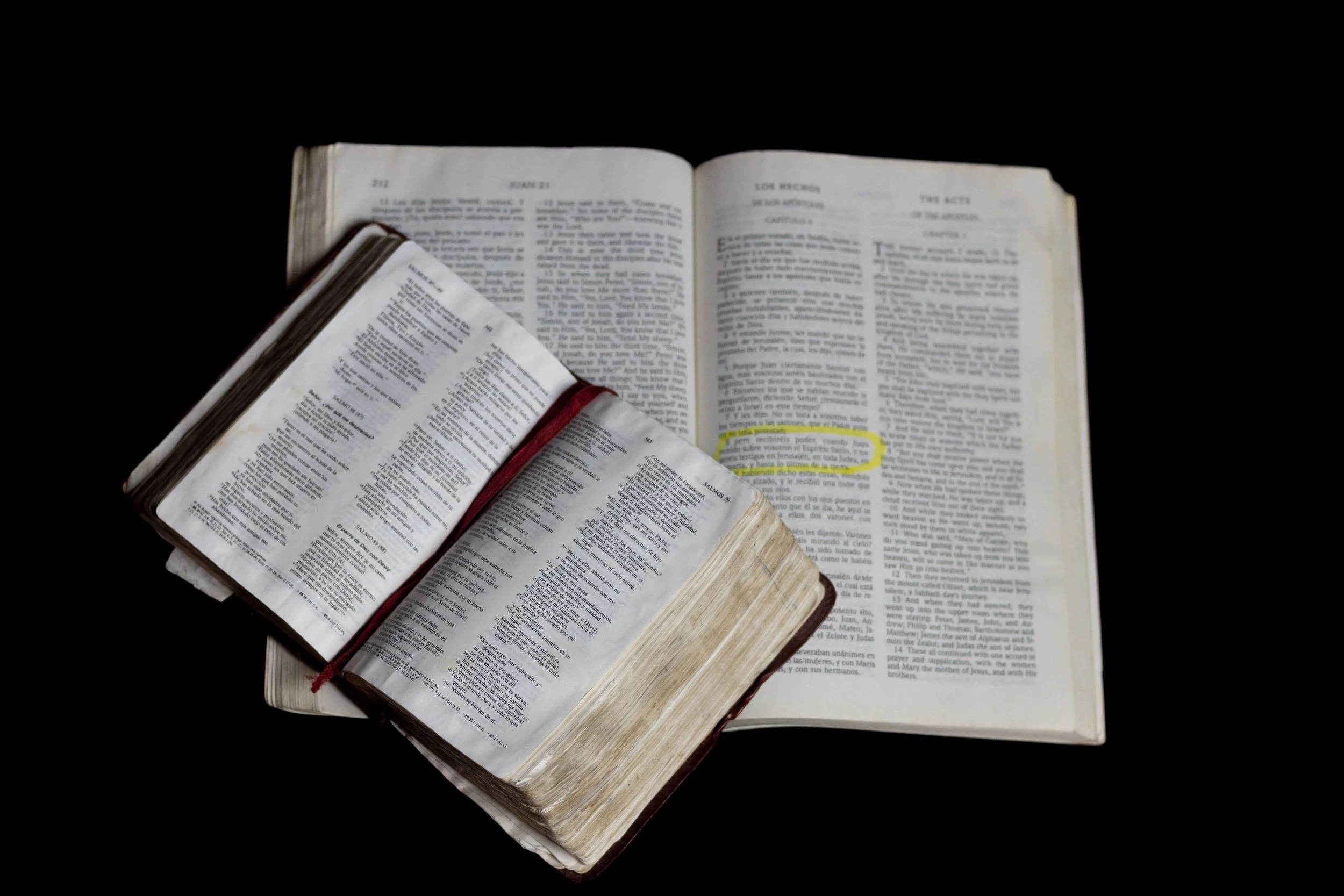
Unlocking the Heart Language: Why Bible Translation Demands Both Precision and Meaning
Since The Word for the World began in 1981, our aim has always been to ensure that every people group can hear God’s Word in their mother tongue in a way that will best enable them to know and serve Him. We don’t want our translations to sound like a foreign textbook and that’s why we use ‘dynamic equivalence’, otherwise known as thought for thought.
Using this method means that we translate Scripture into the target language in a way that allows the reader to respond in the way the writer intended, removing any blockers along the way. Our focus is to remain true to the original message’s meaning and impact, and not to simply match its literal word for word structure.
“TWFTW aims to produce natural, accurate and clear translations of the Bible. While we place more emphasis on conveying the meaning of the original text in a natural everyday style of language, we also want to remain faithful to the original author’s literary style of writing, and the impact he wished to create on his readers.” – The Word For The World
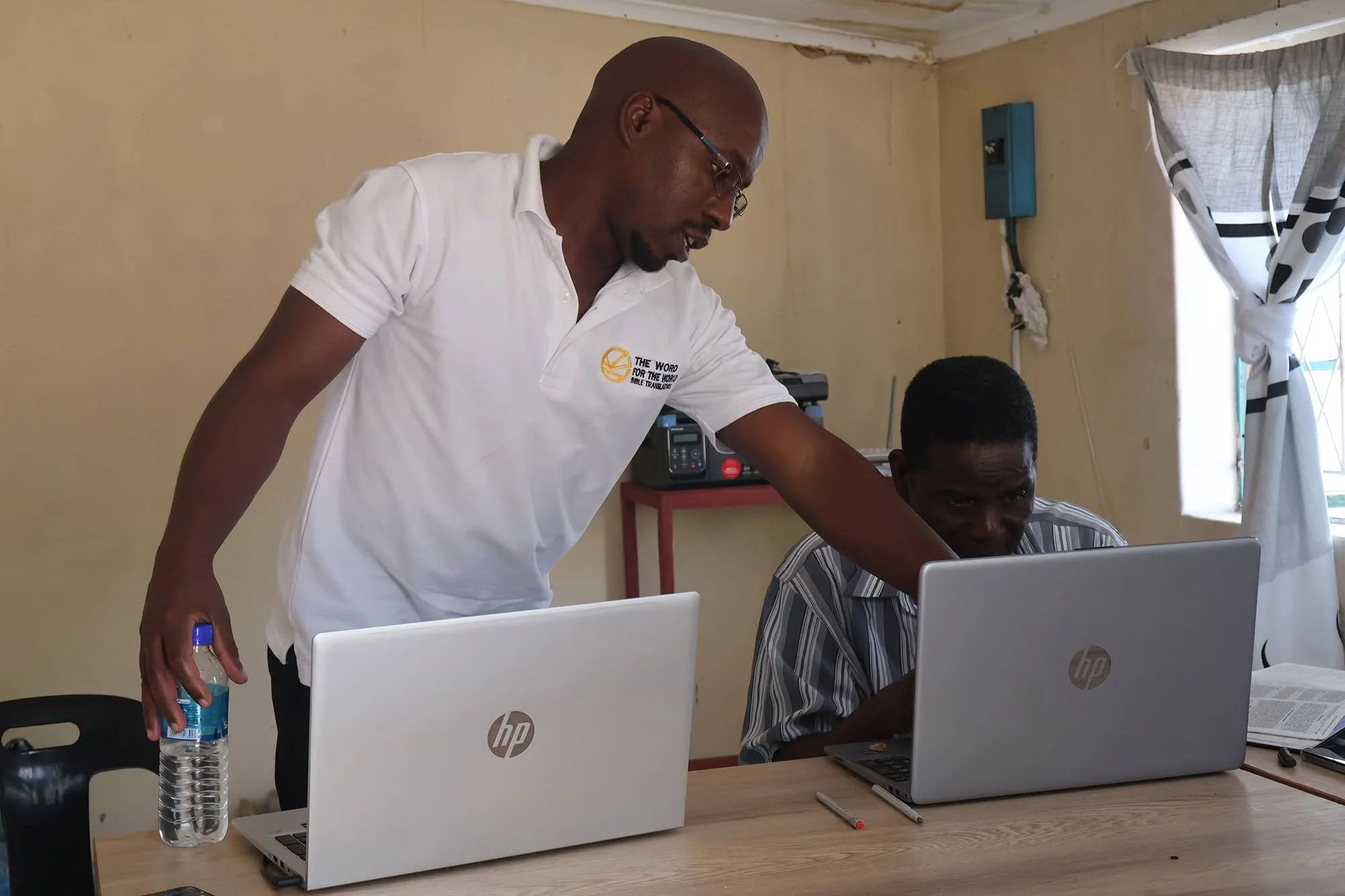
Indigenous Translators Bridging the Gaps
This is why we use indigenous local translators in all our work. They are the people on the ground and the ones best equipped to navigate dynamic equivalence. They understand the ‘ins and outs’ of their language, the turns of phrase and the cultural nuances. Translating the Bible into this every day, familiar language allows God’s Word to speak directly into people’s lives. It’s the gentle way Jesus spoke to the ostracised woman at the well, and the friendly way he called out to Zacchaeus up the tree. Using local translators means there are no jarring turns of phrase in our translations, or overly complicated metaphors, whilst always still remaining true to the meaning of the original Scriptures.
When someone receives Scripture in this way, that makes immediate sense in their mother tongue, it can be life-changing. We received this testimony from the TWFTW team in the Democratic of Congo:
“During a recent community testing session, one community member called Kaba read several Bible passages in his mother tongue for the first time. The passage from 1 John 4 verse 8 caught his attention: ‘Yewa kadji na buswe kamuyukile Leza, pa mwanda Leza I buswe’ (‘Whoever does not love does not know God, for God is love.’ – GNT). Understanding this passage in his own language helped him grasp God’s love more clearly. He started attending church more regularly, praying and meditating on God’s Word. Kaba testified, ‘Reading the Scriptures in my own language makes the message of the Gospel more alive, personal, and directly applicable to my daily life.’”

Why Bible Translation Approach Matters for Mission
God’s Word transforms lives, but only when the readers can understand it. Over 3000 language groups still have no access to God’s Word in any form. Like Kaba, many of them long to read the Bible in their mother tongue for the first time.
If this moves your heart, you can help. Please join with us in praying for our Bible translation teams in their vital, on-the-ground work. You can donate to The Word for the World here, or share this article to raise awareness of the 1.5 billion people in our world who remain Bibleless.