

A brief word from us before you read: The Word for the World is dedicated to ending Bible poverty by empowering indigenous communities to lead their own Bible translation projects. Our mission is to ensure that everyone can experience the power of God’s Word in their own heart language. If you share our vision of a world where every nation and tongue has access to the Bible, we invite you to support this mission through your prayers and giving.

Why Bible Translation began
You may think of Bible translation as something that began with Operation Auca, the Ecuadorian mission effort in the 1950s, or your mind may even leap back to William Tyndale in the 1500’s, but translating the Bible isn’t a recent activity – in fact it started even before Jesus came to earth!
From the moment that mankind decided to try and play God by building the Tower of Babel in Genesis 11, and were scattered linguistically and geographically by God, Bible translation was to become a necessity. God’s commandments for his people were originally written in Hebrew – but what would happen when the prophesied exile of the Israelites took place, and God’s people no longer spoke Hebrew? Would future generations have no access to his Word? Fortunately, God had a plan.
We live in a fallen world where we still have scattered languages and people groups – but one need remains: the need for everyone to be able to access God’s Word. That’s why our gracious God appoints and equips men and women for the task of Bible translation, both now, and twenty-four centuries ago.
So let us take a brief journey back in time to the very first Bible translation in Egypt, 3rd century B.C.
What is the Septuagint?
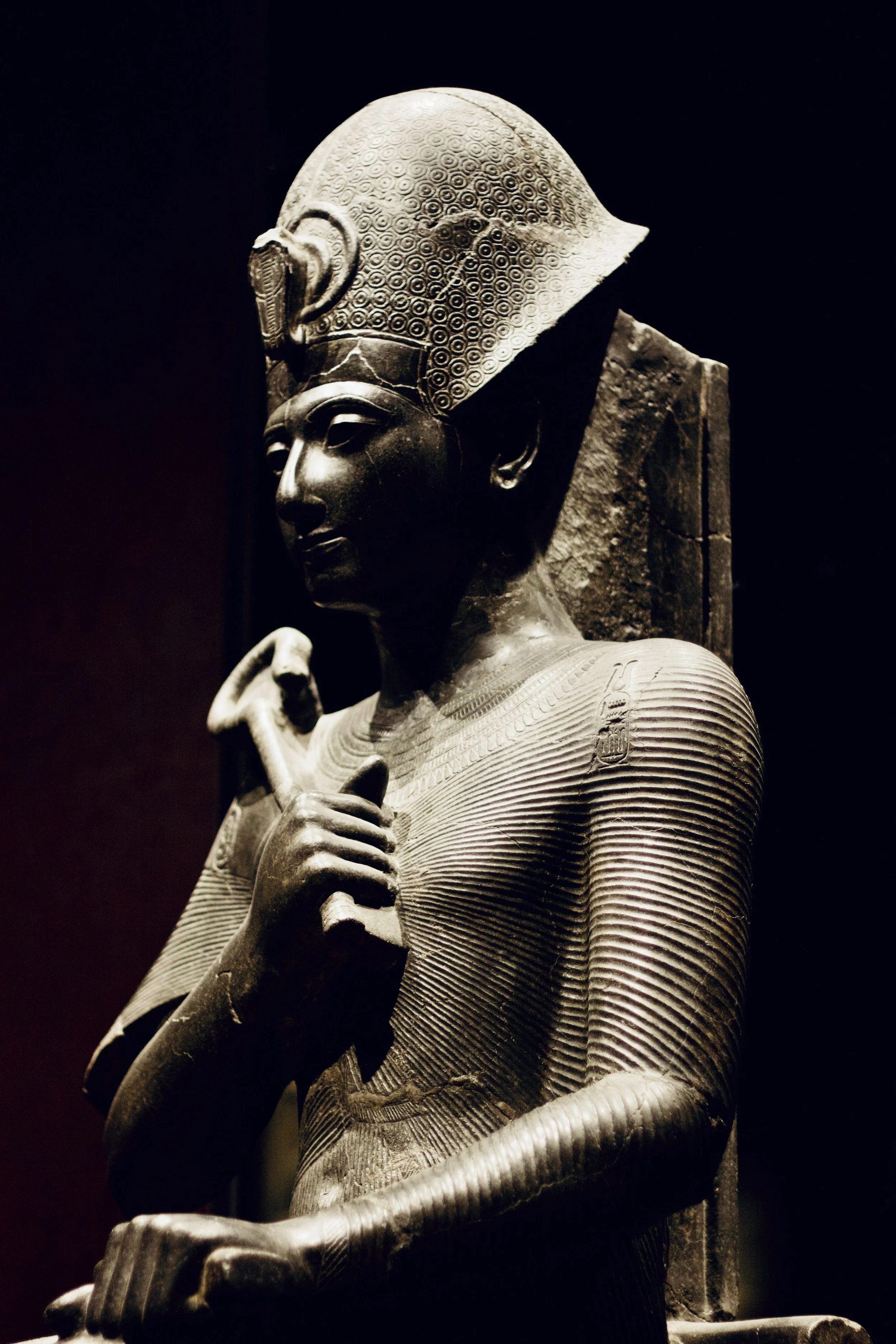
The number seven has always had special significance in the Bible, but it may surprise you to know that the Septuagint actually refers to ‘seventy-two’ – seventy-two translators in fact; six from each tribe of Israel, who came together in the 3rd century B.C. to translate the Pentateuch from Hebrew to Greek for the very first time.
The narrative of this event is found in the (possibly pseudepigraphic) letter of Aristeas to his brother Philocrates, telling the story of King Ptolemy commissioning a translation of the Hebrew Bible for his library in Alexandria:
‘King Ptolemy once gathered 72 Elders. He placed them in 72 chambers, each of them in a separate one, without revealing to them why they were summoned. He entered each one's room and said: "Write for me the Torah of Moses, your teacher". God put it in the heart of each one to translate identically as all the others did.’ –
Tractate Megillah of the Babylonian Talmud
Historically, this event seems unlikely as two of the twelve tribes of Israel no longer existed by this time, but the story has stuck and therefore we still refer to this very first translation as the ‘Septuagint’, or, the ‘Seventy-two’. This translation is what is known today as the Septuagint, which started with the first five books of the Hebrew Bible (Genesis, Exodus, Leviticus, Numbers and Deuteronomy) translated into Greek, and later expanded to include all of the Old Testament, over the following two centuries.
And however it originally happened, whether there were seventy-two translators in locked rooms or not, we cannot understate what an extraordinary achievement the Septuagint was. Nowadays, with computers, trained teams and dedicated AI, it can take ten years to translate a Bible! But in 3rd century B.C. this had never been done before, they had no resources or technology, and yet they produced an accurate and insightful translation that is still studied and trusted today. God was most definitely at work in Alexandria!
Solving a heart-language problem: Why the Septuagint was needed

Today, The Word for the World is currently involved in 456 Bible translation projects, but there are still over 3000 language groups around the world that do not have one word of Scripture in their own language.
This is the same reason that the Septuagint was written: God’s people couldn’t understand their own Scriptures. After the exilic period, Hebrew was no longer being spoken as much: the Jews were using Greek. It would be like having the Scriptures only available to us Brits in Gaelic, Pictish or Latin: languages our ancestors spoke, but utterly unknown to us now in modern-day Britain.
But God’s covenant was continuing through the Septuagint: suddenly God’s people had access to His voice and commandments again, and this monumental work became the Bible of the early church. Their heart language problem had been solved.
How did the New Testament writers use the Septuagint?
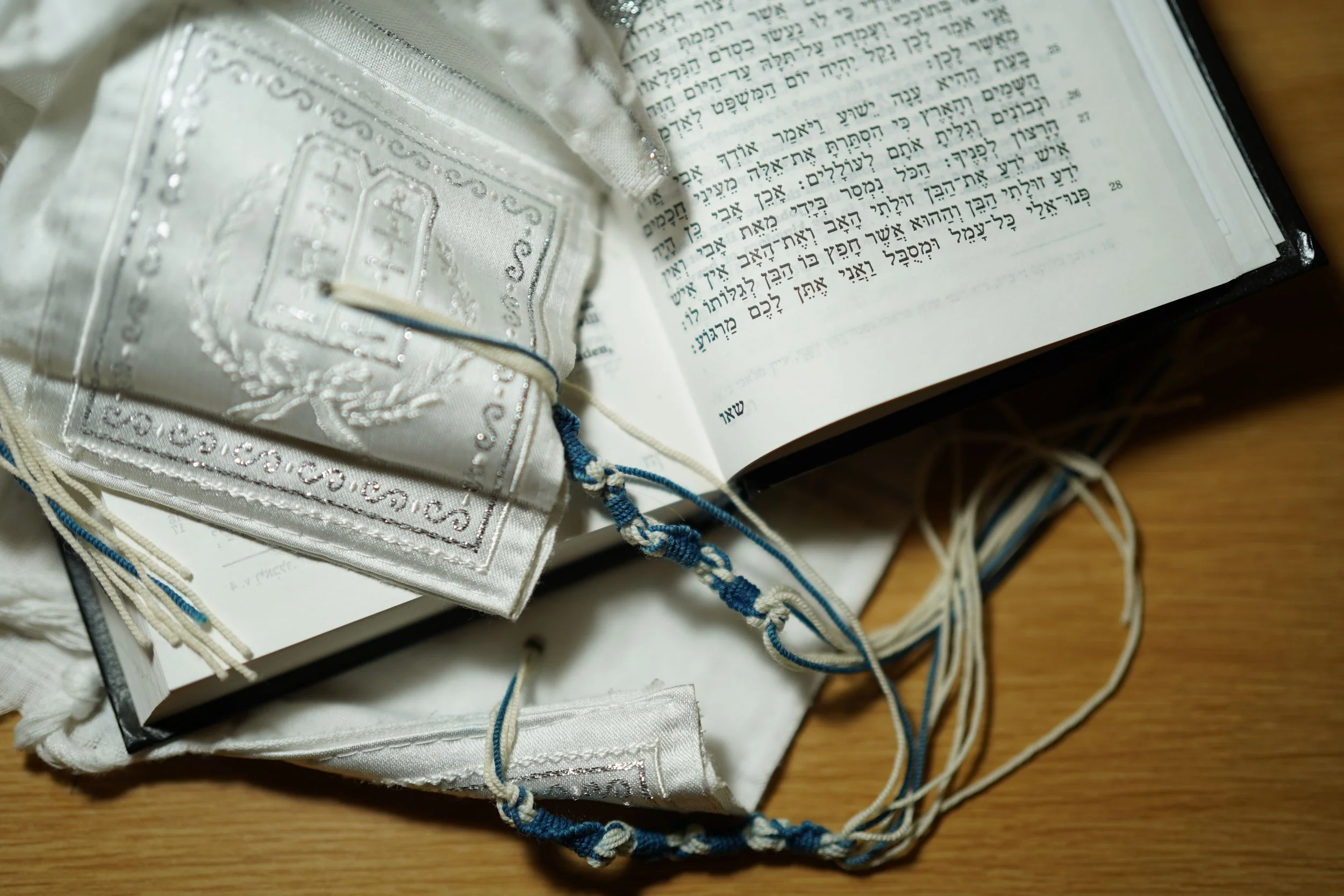
As the only source material available to them, it’s very clear that Peter, Paul and the other New Testament writers used the Septuagint as their main reference text. Indeed, in Luke 4, the author quotes Jesus in the synagogue as reading from the Greek Septuagint, rather than the original Hebrew.
The New Testament writers frequently quoted directly from the Septuagint and used its phrasing throughout their letters. Unlike today, when translators look at original sources critically, the New Testament authors treated the Septuagint as a direct witness to Jesus, and adopted the exact Greek words the Septuagint translators had chosen. In fact, it is the Septuagint that forms the basis for our fundamental theological vocabulary today – the words we use for salvation, covenant and law came from this translation.
“The Apostles and Evangelists were very cognizant of the status and challenges the young fledgling Church would face. They deliberately avoided undermining a trusted and useful translation where it did not substantially affect exegesis and application of Biblical truth.”
The Septuagint bridged the gap between Hebrew thought and the Greek-speaking world, laying the foundation for every Biblical book that was written after it, and every translation that followed it. Its influence is hard to overstate.
The Septuagint, Masoretic Text and the Dead Sea Scrolls
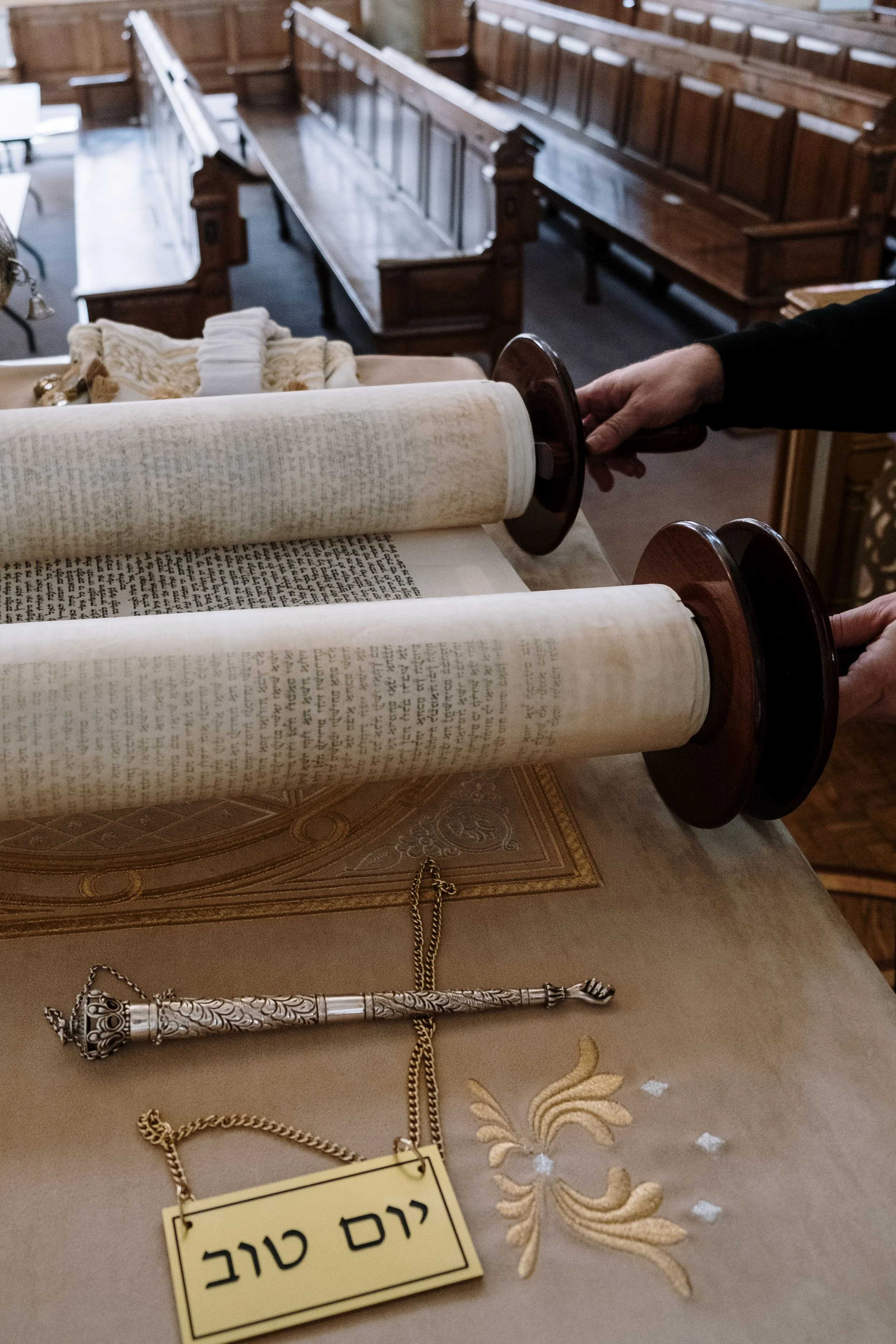
Over the years there has been much debate over the importance and accuracy of the Septuagint versus the Masoretic Text, with some denominations holding fast to one, and some to the other. The Masoretic Text is a standardized Hebrew translation which began in the 1st century BC, and was finalised by Jewish scribes called Masoretes in c. 600-1000 A.D. in Tiberias and Babylon. It was a hugely helpful translation which added vowels, pointing to a previously consonant-only Hebrew text, and standardised spelling and pronunciation.
Arguments over the textual antiquity, translation fidelity and theological interpretation of the two translations have been fierce, with some posing that as the apostles quoted the Septuagint as authoritative scripture, it should be held as such, whereas others state that the Masoretic Text preserves the original ancient Hebrew more consistently and faithfully.
The discovery of the Dead Sea Scrolls in a cave in Qumran in 1946-1956, helps us reconcile these views. A vast collection of Hebrew, Aramaic and Greek manuscripts produced by a Jewish sect in 3rd century BC – 1st century A.D., these scripts show us how the Septuagint and the Masoretic Text overlap, as they contain contemporary readings that align with both traditions. Many of the scrolls closely match the Masoretic Text in wording and structure, while some portions preserve Hebrew readings that match the Septuagint, showing that the translators of the Septuagint were working from source texts that looked very similar to the variants found in the Dead Sea Scrolls.
Together, these two translations, alongside the wonderful discovery of the Dead Sea Scrolls themselves, show the remarkable way in which God has translated and preserved his Word for his people for over two millennia, with remarkable consistency of textual accuracy.
Translation choices, choices, choices – both then and now!

If people have disagreed over which original Bible translation is the most reliable, it has only become trickier for us in the twentieth century. Believe it or not, today we have over 900 English language Bible translations and versions to choose from! Depending on their preference for formal or dynamic equivalence, some people favour the literal word-for-word classic translations like the King James, while others prefer more readable thought-for-thought translations like the New Living Translation.
But while we have the luxury of choice, some people, like the Greek-speaking, exiled Jews prior to the writing of the Septuagint, have no access to God’s Word at all. The Septuagint prepared the way for the spread of Christianity across the Roman world, but there are over 1.5 billion people for whom it still has not reached. We benefit from the massive effort of those who translated this ancient text, as through the sacrifice of men like William Tyndale, the Bible is fully available in English; but for 3000 language groups across the world, it is still unavailable.
In Matthew 28, Jesus commanded his disciples to ‘make disciples of all nations’, and therefore there is still much work to be done.
God’s New Translation Team
Just as God equipped the ‘seventy-two’ – whoever, and however many there really were – he is equipping men and women today for Bible translation. We have 456 projects underway to reach those who are still waiting for the gospel in their own language, but we need your support. We don’t have a King Ptolemy to fund our work, but we do rely on brothers and sisters in Christ who are prompted by our faithful God to give whatever they can to further his Kingdom.
If you can support us in our worldwide Bible translation projects, from the Roma people in North Macedonia, to the persecuted church in South-East Asia, please do click here. We have a number of ways you can get involved, from prayer, to giving, or inviting a speaker to your church.
Please help us continue the work the very first Bible translators began.
“I think that within the world of Bible translation, there is a real feel that this next decade or so is going to be key. There is such a need. Communities are crying out; doors are opening, even in countries that are hostile to the gospel. The Bible is the most important book in the whole world. We must get as many Scriptures into as many heart languages as possible because it affects people’s eternity destiny. And you can be involved in the greatest mission that the world has ever seen.”
